


Developer: Triple Eh
Publisher: Numskull Games
Platform: PC, Xbox Series X|S, PS5, Switch (2)
Tested on: Switch 2
Lumo 2 – Review
To this reviewer, the UK gaming culture of the 1980s is a bit of a curiosity. Through osmosis, we’ve picked up that the UK video game market was vastly different from its North American and Japanese counterparts. By watching YouTube and listening to podcasts, we’ve come to understand that this niche corner of gaming history remains a cherished part of UK players’ identities. Still, not having grown up with a ZX Spectrum or BBC Micro, we feel like we’re entering uncharted territory whenever Ashens digs up another obscure piece of hardware. So what do we do when we cross paths with Lumo 2, a game whose main raison d’être is this exact niche? We review it, of course. Who knows — we might even learn something.

Story
For those of us without nostalgia goggles, there isn’t a whole lot of narrative substance here. The premise acts mostly as a framework: a wizard trapped in a 1980s video game must navigate themed worlds to find the items needed to escape. Rather than focusing on character development or even a self-contained story, Lumo 2 relies on nostalgia and recognition. Even to outsiders like us, it quickly becomes clear just how much of a love letter the game is to a specific era. The game doesn’t just pay tribute to obscure games like Jet Set Willy or Knight Lore but also references era-specific television. If you’re in on everything Lumo 2 pays tribute to, then you’ll probably love the nostalgia trip the game takes you on, but with everything being so specific, it felt like we’d wandered into a museum exhibit without a guidebook.
Graphics
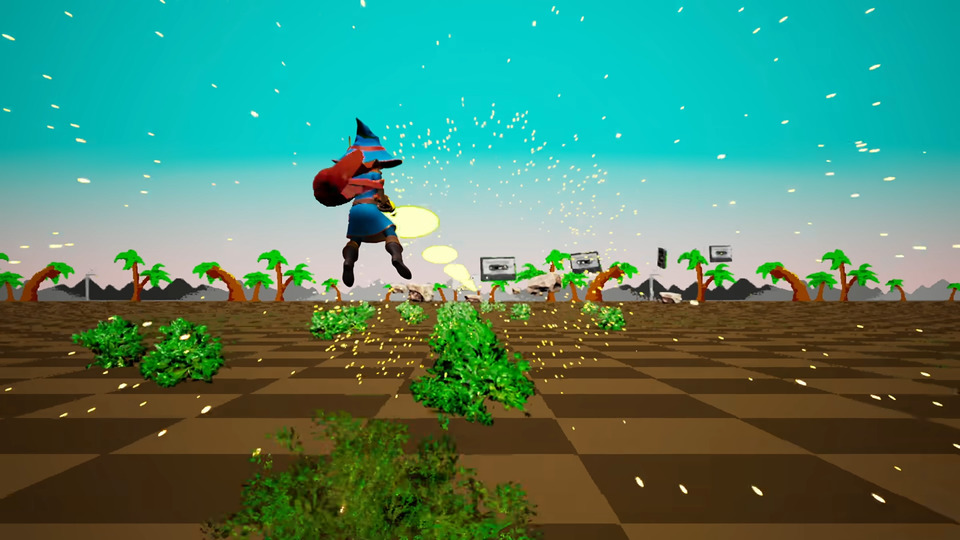
Striking the right balance between authentic visuals and the expectations of current-day audiences remains a difficult exercise -especially when Lumo 2 is so reliant on recognition and nostalgia. You want the target audience to immediately know what they’re looking at, without alienating those who aren’t familiar with the source material. We’re fairly sure that Lumo 2 is chock-full of visual details and references that we didn’t pick up on. To its credit, Lumo 2 understood the assignment, balancing nostalgia with polish. Thanks to a higher resolution, the graphics are crisp and vibrant, while maintaining a charming retro aesthetic. Variety is the keyword here. The game takes you from haunted houses to deserts to neon sci-fi arcades, but also frequently shifts between isometric, 2D, and 3D perspectives. We did notice some visual quirks when playing on our Switch: the graphics occasionally looked blurry, and there was minor stuttering. How much of that can be attributed to intentionally mimicking 1980s design quirks instead of performance issues isn’t clear though.
Sound
With period-appropriate references and period-appropriate visuals naturally comes period-appropriate audio. In the case of Lumo 2, that means synth-heavy, chiptune-style tracks with a deliberately nostalgic tone. The soundtrack isn’t cinematic or deeply atmospheric; instead, it’s a deliberate callback to the quirky, electronic soundscapes of 8-bit and early microcomputer games. Playful sound effects like cassette collection jingles or environmental cues further reinforce the 1980s aesthetic. No part of Lumo 2’s soundscape is likely to stick in your head long after you stop playing, but as a whole, it perfectly complements the retro charm that the game aims for.
Gameplay
In the 80s, the UK gaming scene was dominated by home computers rather than consoles. With vastly different hardware, it’s not surprising that the games themselves were vastly different as well. For the uninitiated, Lumo 2 provides a fantastic little cross-section of these games. The game may be an isometric puzzle-platformer at its core, but it happily takes you on a nostalgic journey across different genres. As the wizard, you explore interconnected rooms across three distinct worlds: space, desert, and spooky castle. Each room offers a self-contained challenge to take on, whether that’s a puzzle, a platforming section, or something else entirely. Progression isn’t as straightforward as it may seem at first glance. Some rooms hide secrets and unlockable abilities like double-jumping or lighting your wand, unveil new routes, adding a bit of Metroidvania flair to the game.

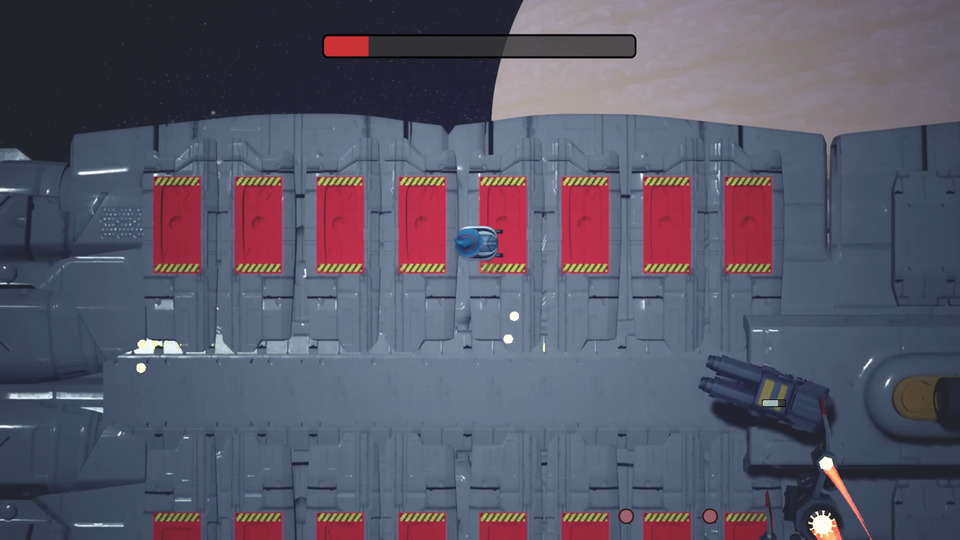
We didn’t necessarily recognize the genre-hopping gameplay as paying homage to Marble Madness or Space Harrier, but the sections that referenced them at least did a good job of showing us what their gameplay was like. With more than one hundred rooms, you never really know what to expect: one room may see you matching tiles while the next is a side-scrolling shooter section. Not every room is created equal, but even when individual sections frustrate, you’re quickly onto something different. The constant change keeps things fresh throughout. We did expect this smorgasbord of gameplay to result in a game that felt disjointed, but through an overarching goal to work towards in each world, like collecting paint to fill up a cauldron, Lumo 2 was able to maintain focus.
Some of the design sensibilities that Lumo 2 adopts haven’t aged well. The absence of an in-game map necessitates taking notes, which feels unnecessarily tedious. The fixed-perspective isometric camera frustrates early on, with depth perception in particular being challenging. Around the middle of the game, this frustration is somewhat alleviated, as you unlock the ability to control the camera. Other quirks remain persistent, however, such as how slow the wizard moves around and how floaty and imprecise jumping feels. It’s all by design, meant to evoke not just how these retro games looked but how clunky they felt as well. Deaths may be frequent, and you’ll have to rely on trial-and-error, but it’s all part of the retro experience. Lumo 2’s dedication to the bit is admirable and will land well with anyone nostalgic for this very specific era of gaming, but those outside of the target niche will feel alienated by this trip down memory lane.
Conclusion
For outsiders, Lumo 2 offers an interesting glimpse into a very specific part of gaming history, but little more than that. The game is too reliant on nostalgia and recognition to have long-lasting appeal for mainstream gamers. In a sense, it is both impressive and admirable just how dedicated Lumo 2 is to authenticity, even if it means narrowing the target audience. Developer Triple Eh deserves to be commended for that, although whether or not you should actually pick up the game depends on whether or not you are part of that audience yourself.





No Comments