

Developer: Square Enix, Spike Chunsoft
Publisher: Square Enix
Platform: Switch (2), PS5, Xbox Series X|S, PC
Tested on: PC
Dragon Quest Heroes: Torneko’s Mystery Dungeon -Classic HD- – Review
Until recently, our personal experience with Mystery Dungeon was limited to the Pokémon Mystery Dungeon games and, to a lesser extent, the Void Terrarium series, which aren’t official series entries but feature very similar gameplay. That changed with the arrival of Dragon Quest Heroes: Torneko’s Mystery Dungeon -Classic HD- (that’s a mouthful). The game is a remake of a previously Japan-exclusive Super Famicom game, and is the granddaddy of the entire Mystery Dungeon series. On top of that, it’s also a spin-off of Dragon Quest. Torneko’s Mystery Dungeon (that’s what we’re going with) is significant for both Mystery Dungeon and Dragon Quest fans, if only because it preserves a milestone for these series, but how does the game itself hold up three decades later?
Story
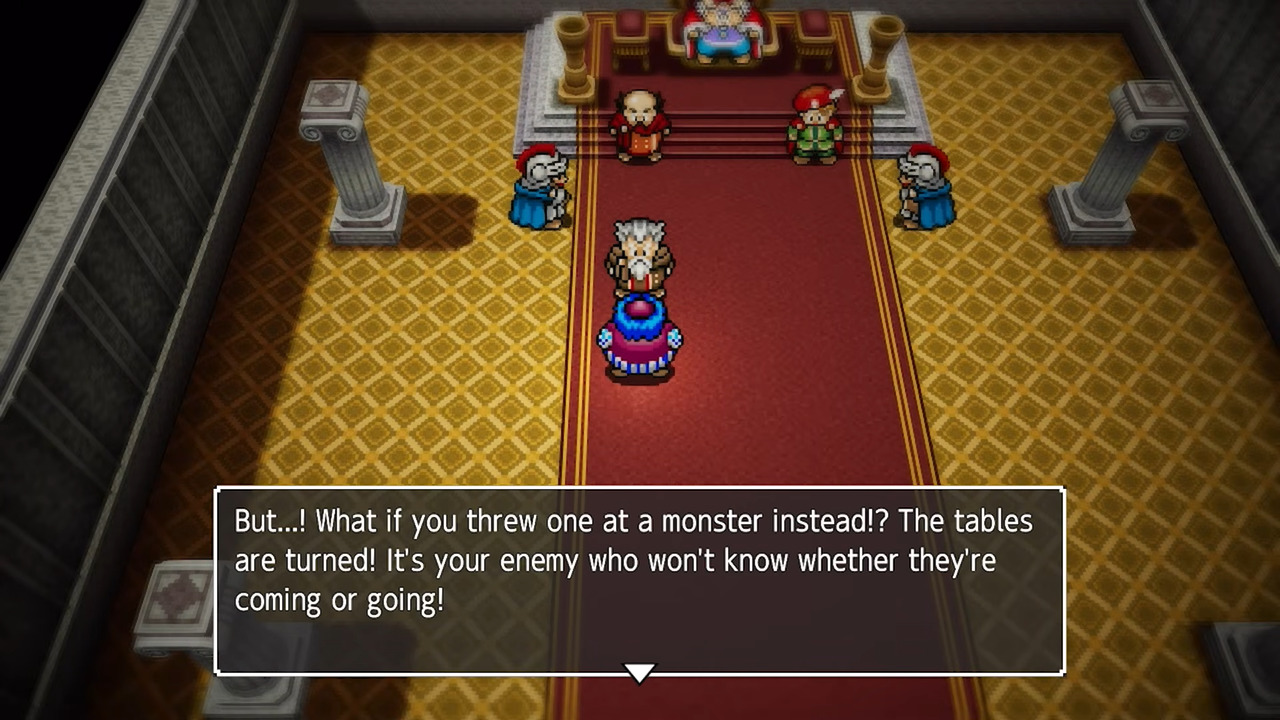
Technically speaking, Torneko’s Mystery Dungeon is a sequel to Dragon Quest IV, with the game following the portly merchant Torneko Taloon and his family as they seek to establish a successful shop. Torneko’s family relocates near a mysterious, ever-shifting dungeon rumoured to hold legendary treasures. With permission from the king, Torneko begins delving into the depths for riches. As our pudgy hero accumulates gold and other treasures, his wife Tessie hawks the goods to fund shop upgrades, transforming the Taloon family’s modest residence into a bustling commercial enterprise. Torneko’s Mystery Dungeon keeps things simple and lighthearted in terms of story, and does not tie deeply into Dragon Quest IV’s lore.
Graphics
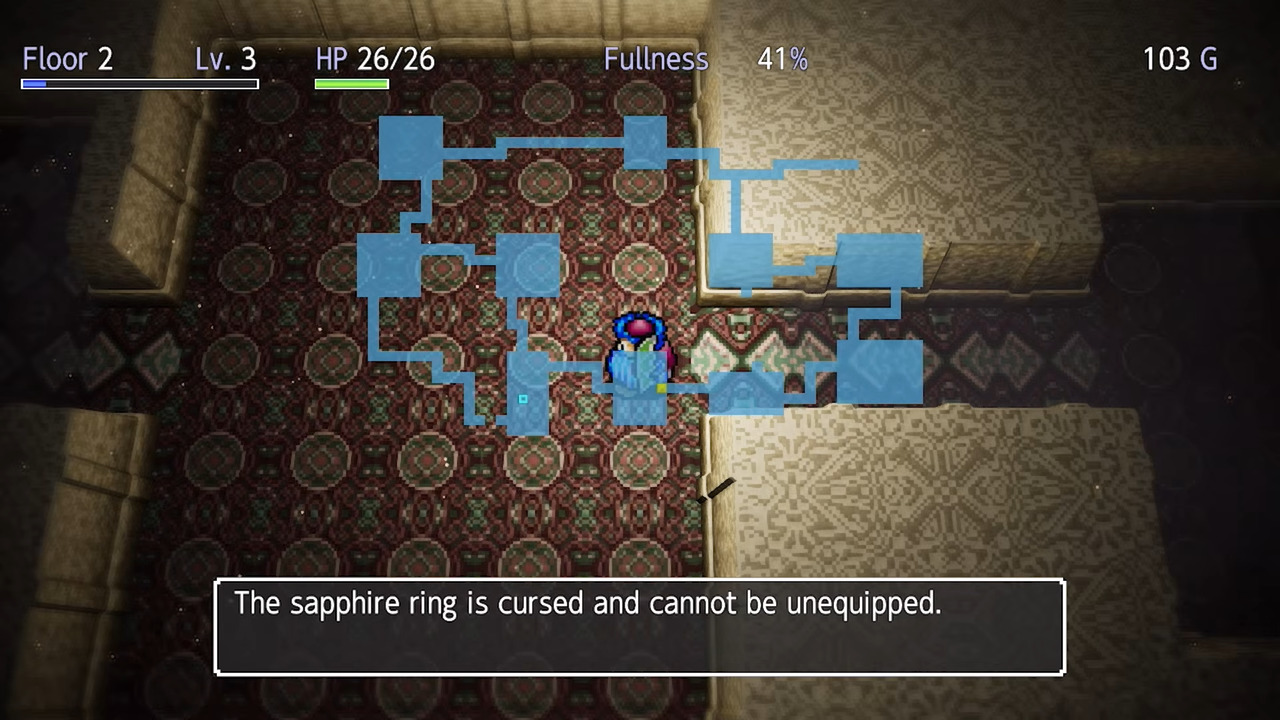
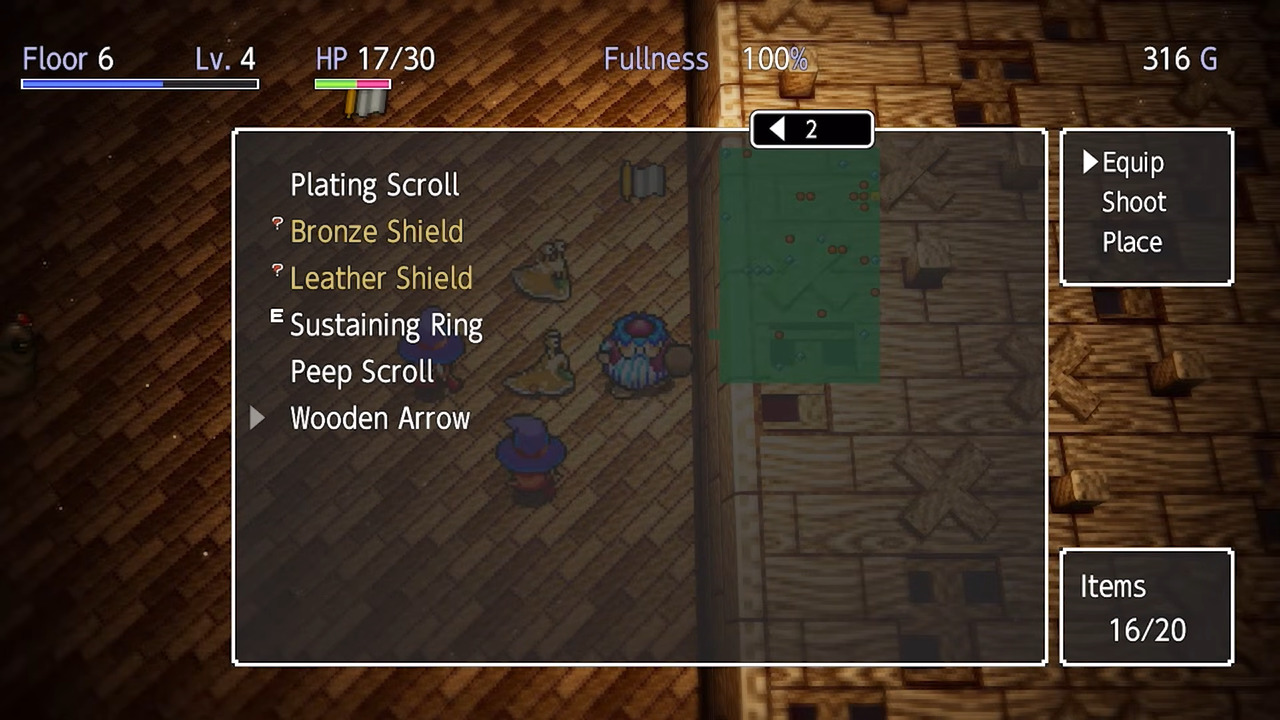
An updated reimagining of a Super Famicom title, Torneko’s Mystery Dungeon is the latest Square Enix title to receive the HD-2D treatment. By opting for this specific visual style, the game retains the essence of both the original 16-bit pixel art and Akira Toriyama’s iconic character designs, while still feeling modern. Subtle details, such as floating dust particles in the 3D dungeon layouts, add life and charm. One major issue with the game’s UI deserves a mention though, as the centrally placed UI map overlay obstructs visibility during combat. A more elegant solution would have been welcome here. Other than this, there weren’t any graphical bugs, frame rate drops or other visual issues that we ran into.
Sound
The soundtrack sticks close to what we assume is the original Super Famicom music, with MIDI renditions of the classic and familiar Dragon Quest themes. As much as we enjoy these themes by themselves, the execution here isn’t very good, for two reasons. The instrumentation simply sounds outdated, and there isn’t enough variety here, resulting in the music becoming annoyingly repetitive, especially during longer play sessions. The retro sound effects fare a little better, even if they were seemingly also directly lifted from the original. There is no voice acting here, though given the source material, that is hardly surprising.
Gameplay
If you’ve played one Mystery Dungeon game, you’ve played them all. Okay, maybe that’s a bit reductive, but the core gameplay hasn’t really evolved over time. Torneko’s Mystery Dungeon is a faithful remake of the very first Mystery Dungeon game: Torneko’s Great Adventure and the blueprint for future games in the series is very much visible beneath that shiny coat of HD-2D paint. For the uninitiated: Mystery Dungeon games are roguelike dungeon crawlers, where you enter procedurally generated, grid-based dungeon floors with a minimal inventory. Exploration and combat operate on a turn-based system: every step, item use or attack action you take triggers a simultaneous action from all enemies on the same dungeon floor. Your ultimate goal is to reach the farthest and deepest floor of the dungeon, though this of course is easier said than done. Not only are there those aforementioned enemies to deal with, but each step Torneko takes also slowly depletes his hunger meter, so you’ll have to manage that as well. It’s a good idea to keep an Evac Scroll handy, in case you need to escape back to town with what you’ve managed to loot so far.
Since the floors of the dungeon are procedurally generated, RNG inevitably plays a heavy role when it comes to success, although we’d argue that progression also relies on your knowledge and resourcefulness rather than persistent stat upgrades. Items you find in the dungeons can usually be used in versatile ways: throwing a Zoom herb at an enemy warps said enemy away from you, but if Torneko eats it, he gets teleported instead, for example. Early on in the game, your own inventory space is limited, but as you expand your shop, more item storage can be unlocked, even allowing you to carry select gear in future runs. It’s nothing that we haven’t seen before, but Torneko’s Mystery Dungeon has stood the test of time surprisingly well, and it’s refreshing to go back to how straightforward the roots of the series are.
If that original gameplay isn’t your cup of tea, Torneko’s Mystery Dungeon has you covered as well. A built-in “adjust game balance” menu allows you to customise various difficulty parameters, including doubling EXP and gold gains, reducing enemy spawn rates, and even eliminating monster spawns entirely. Do keep in mind that enabling these settings disables both achievements and high score submissions. By modern standards, Torneko’s Mystery Dungeon is fairly short, comprising only three total dungeons: a 10-floor tutorial, the 27-floor main dungeon, and an additional post-game dungeon. This results in a fairly short 7-hour-ish main story that definitely doesn’t overstay its welcome. Completionists can look forward to around 16 hours of gameplay if they want to see and do everything, but that’s still short by our standards. Since the gameplay is comparatively limited, that’s fair enough as play sessions can quickly start to feel repetitive. Both the short length and the €24.99 asking price feel on point.
Conclusion
If there’s one thing that Torneko’s Mystery Dungeon shows, it’s that the Mystery Dungeon core formula is timeless. The new visuals can’t hide the fact that this is a much more primitive game compared to modern entries, yet it can still stand proudly among them. We wouldn’t go as far as to say that this is an absolute must-have title unless you happen to be a die-hard Mystery Dungeon or Dragon Quest completionist, but casual fans of either series will still enjoy what’s on offer here. While we’re on the subject of Dragon Quest, we’ll be returning to that series with another review very soon, so stay tuned!




No Comments