

Developer: Nintendo, Monolith Software
Publisher: Nintendo
Platform: Switch 2
Tested on: Switch 2
The Legend of Zelda: Ocarina of Time – Review
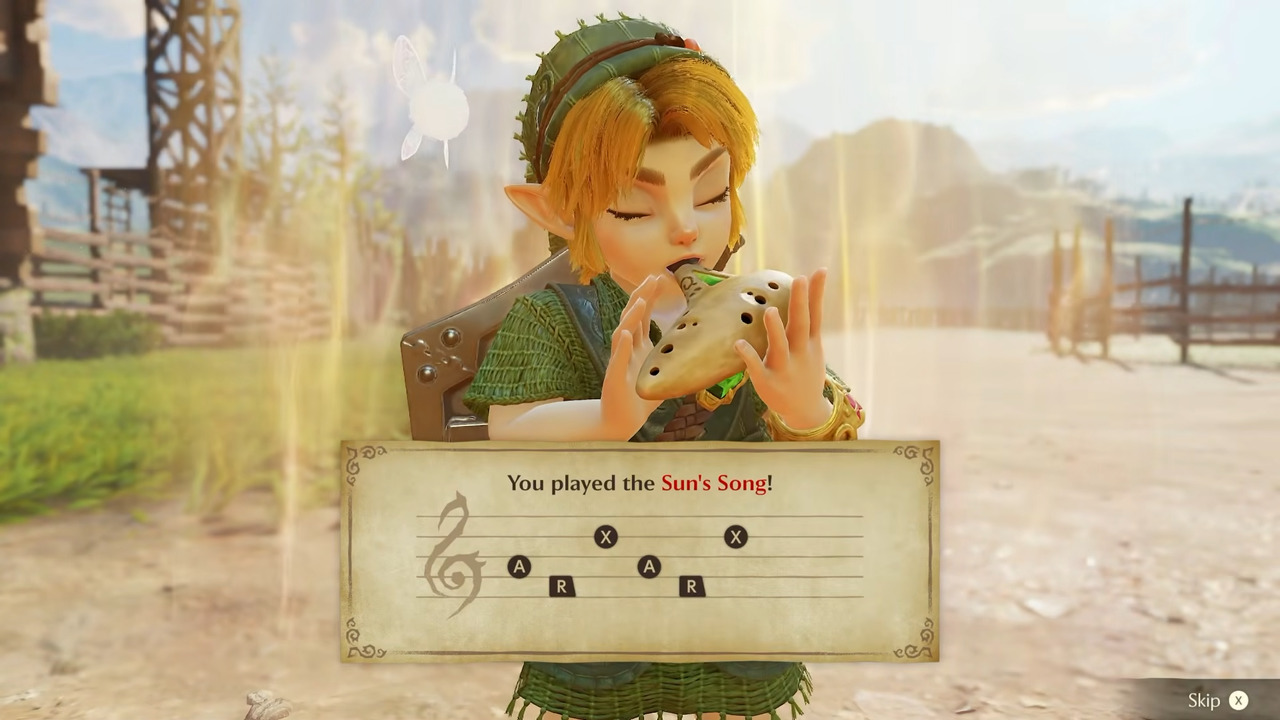
When you come at the king, you best not miss. At a time when publishers are adjusting game releases to make way for what is expected to be the biggest game release of all time, GTA VI, Nintendo steps up and simply re-releases the best game of all time. That isn’t hyperbole, mind you: with a Metacritic score of 99, the original Ocarina of Time on Nintendo 64 has held the top spot on the best games of all time list for nearly three decades now. Has time treated Link’s first 3D adventure well, or is the game’s age showing beneath that gorgeous new coat of paint?
Story
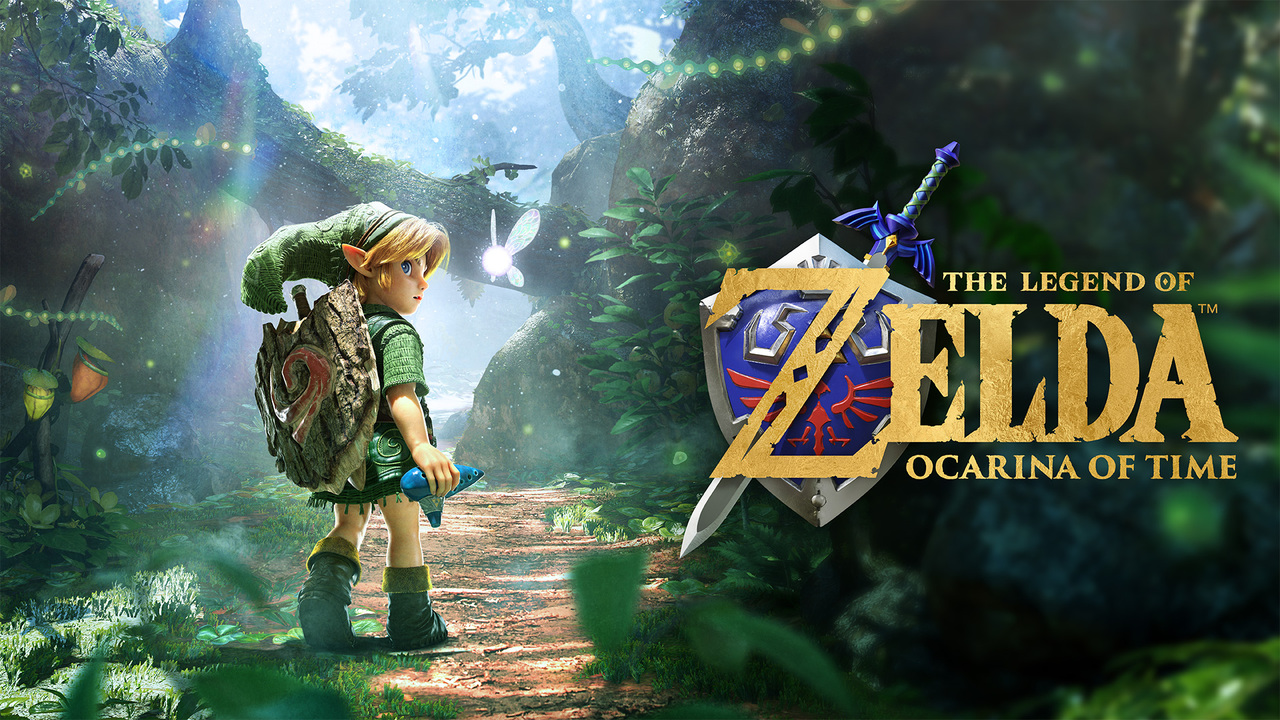
Serving as a fantastic entry point into the series, Ocarina of Time introduces us to Link at a time when he’s still a young boy, living an innocent life in Kokiri Forest. The Great Deku Tree calls upon Link to save Hyrule from the evil Gerudo king Ganondorf with the aid of Princess Zelda. Link’s quest spans two timelines, as he is able to jump back and forth seven years into the future using the titular Ocarina of Time. The overarching story is that of the classic hero’s journey. The remake preserves the original storyline, but pivotal moments have been enhanced with fully voiced cinematic cutscenes that bolster their emotional impact.
Graphics
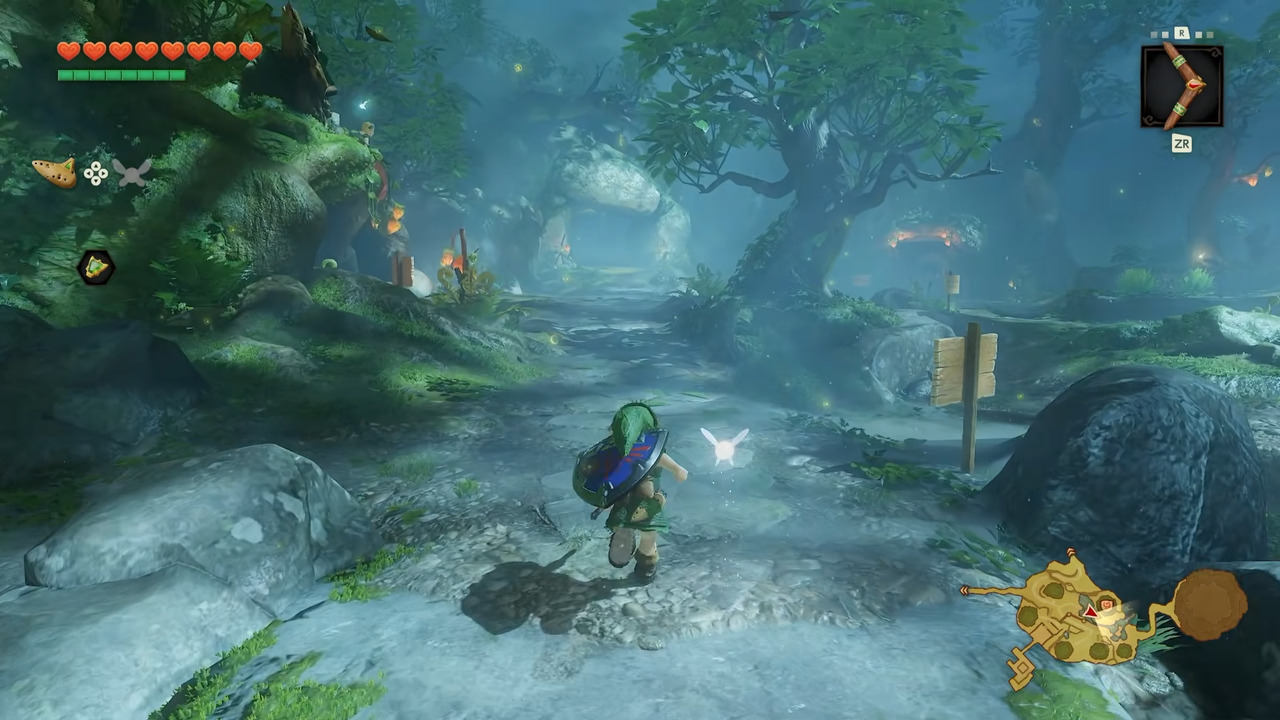
The updated visuals are the most striking thing about this new version of Ocarina of Time. The diorama-like aesthetic and marionette-like character designs reminded us of Dragon Quest VII Reimagined. It’s a significant departure both from the established cel-shaded style of Breath of the Wild and the Legend of Zelda aesthetic in general, but it grew on us rather quickly. Environments in particular are jaw-droppingly gorgeous, filled with lavish, atmospheric detail. The textures of clothing and other materials are highly realistic too. This is without a doubt the most comprehensive showcase of what the Switch 2 is capable of visually so far. That said, it isn’t entirely perfect. While it targets and largely maintains a solid 60 fps, camera-panning causes minor visual blemishes, including overall resolution drops that can make distant objects look overly smooth, fuzzy or subject to shimmering, especially in handheld mode.
Sound
Koji Kondo’s iconic soundtrack has been completely reworked with new orchestral renditions, symphonic strings and horns for familiar upbeat tracks like Saria’s Song and Gerudo Valley, alongside stripped-down acoustic arrangements for more emotional themes like Lon Lon Ranch or Sheik’s theme. It’s a feast of both orchestral splendor and nostalgic familiarity. We dare you not to crack a smile when you hear the Kokiri Forest theme again. Elsewhere, sound design is dynamic, with environmental cues like the loud thump of a falling Gold Skulltula, crisp shield clangs, and atmospheric echoes inside dungeons. Key cutscenes are fully voiced, with Lisa Reimold returning as Navi from the original game (Hey, listen!) alongside Matt Mercer, who reprises Ganondorf after voicing him in Tears of the Kingdom. Although Link himself is still a silent protagonist, he is more expressive than ever here, reinforcing his dynamic with the characters he encounters.
Gameplay
In terms of gameplay, the remake of Ocarina of Time feels more like an evolution than a revolution. Its core is the quintessential Zelda experience, split between exploring the semi-open overworld of Hyrule and conquering linear, structured dungeons that require finding key items to solve spatial puzzles and defeat bosses. New features bring the game in line with the expectations of a modern audience. Free-roaming camera control is the big one here, making some of the more frustrating sections of the original, like the notorious Water Temple, much more manageable. A more subtle yet impactful change is the introduction of a dedicated jump button. Newcomers won’t understand how impactful this is, because pressing to jump feels logical and natural, but if you’re a veteran used to moving forward to jump, muscle memory can make it so that you’ll need to adjust to this minor change.
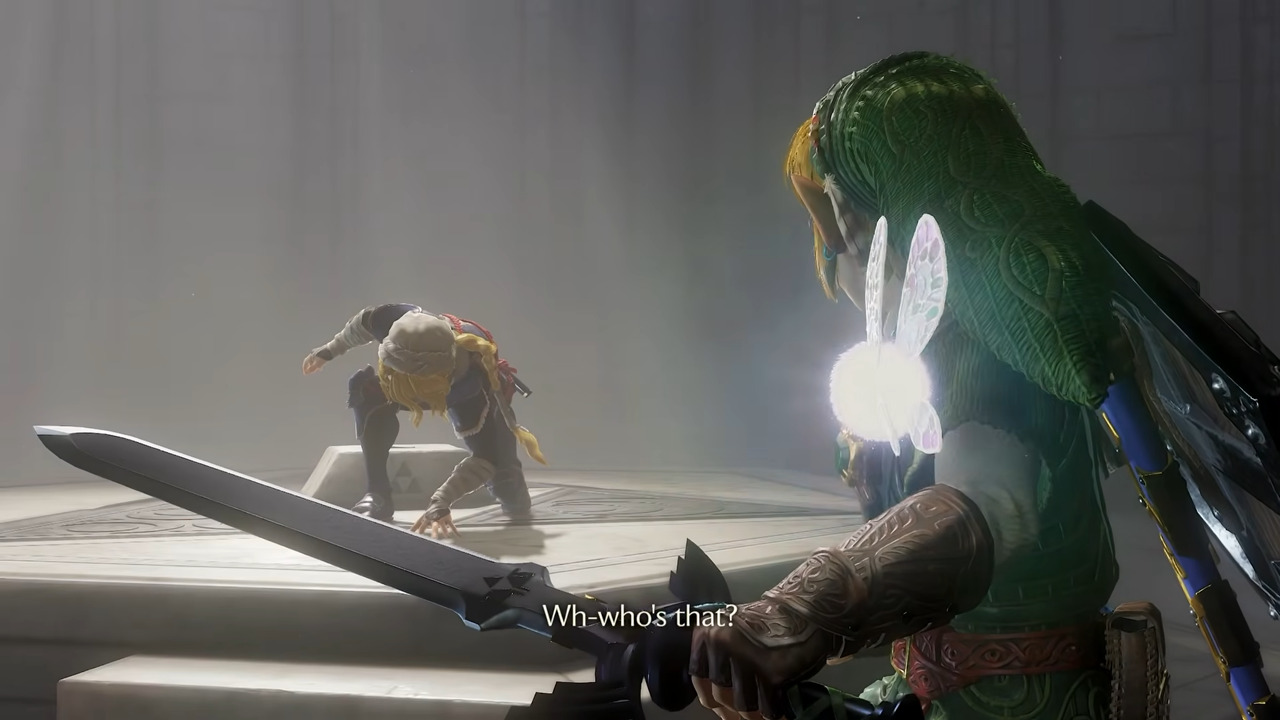
Puzzles retain their classic logical design, though some solutions and door locks have been streamlined. Exploration is incentivised through heart pieces, side quests and finding all 100 Gold Skulltulas. The Nintendo Switch app serves as a fantastic companion piece here through its Zelda Notes feature, allowing you to keep track of what you’ve found and what you still have left to do. Many of the QoL changes introduced in the 3DS port of the game, including the colour-coded water flow system in the Water Temple, have been kept. In addition, customisation and inventory management have taken a cue from Breath of the Wild, and make use of a horizontal item wheel, allowing you to quick-map key items to the D-pad.
While Ocarina of Time feels more streamlined as a whole, this does come at a slight cost: the game isn’t very challenging. Better controls, camera angles, and even some boss nerfs make everything more forgiving. We were somewhat surprised (and disappointed) to see that the game is lacking a post-game Master Quest difficulty. There are plenty of new bells and whistles, including the ability to literally whistle into the Switch 2 microphone as an alternative way to play the Ocarina, but this doesn’t change the fact that this remains a short game. It’s a matter of quality over quantity, of course, but even if you take your time sniffing out all collectibles and taking on every side quest, you’re looking at around 30 hours of gameplay. We’d have loved something that increased the game’s longevity beyond that single playthrough.
Conclusion
This new remake of Ocarina of Time simply reaffirms the game’s reputation. The core experience remains mostly unchanged, but the outdated design choices from the original game have been streamlined to make the game much more accessible for modern audiences. The new visuals and fleshed-out cutscenes enhance the emotional impact of the story, as does the reorchestrated soundtrack. Despite the lack of a Master Quest, this is an essential addition to the library of any Switch 2 owner. Now, can we have Majora’s Mask next, Nintendo? Pretty please?




No Comments