


Developer: Nippon Ichi Software
Publisher: NIS America
Platforms: PC, PS5, Switch (2)
Tested on: Switch 2
Village in the Shade – Review
As much as we enjoy a good farming sim, there is no denying that the genre has grown… we don’t want to say “stale” so let’s go for “formulaic”. There’s only so much that Harvest Moon or Story of Seasons can do before everything starts to blend together after all. So when a cosy genre entry actively seeks to break the mold of the genre, it definitely has our attention. Enter Village in the Shade, a farming sim with a cutesy appearance that belies its true nature. What that true nature entails, you ask? Read on and we’ll tell you everything you need to know. Well, not… everything. Some answers are best discovered for yourself.
Story
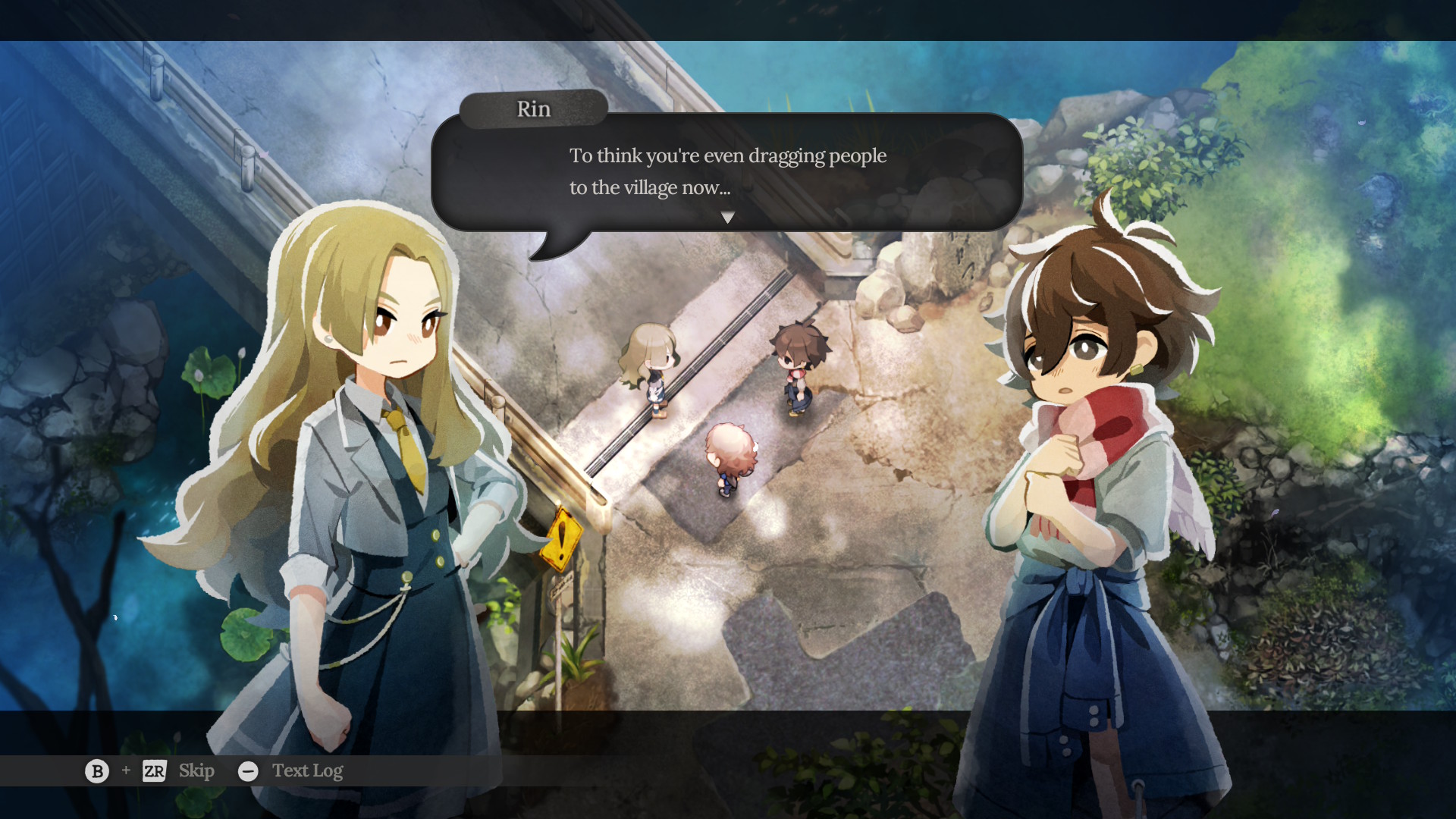
Farming sims typically start out with you inheriting a derelict farm from a deceased relative. That isn’t the case with Village in the Shade, though the game’s premise initially relies on another familiar trope: the amnesiac protagonist. Our story begins with you falling down a well and apparently dying in a pool of blood… yet somehow, you’re able to climb out a decade later, with no memory of the intervening years. Through a series of decisions outside of your will, you find yourself burdened by an enormous debt to Rin, the self-appointed leader of the secluded mountain village of Kagatsu. In order to pay off what you owe Rin, you’re forced into labour to revitalise a dilapidated farm. Kagatsu is an insular, slowly dying rural community, dealing with stasis and decay. While the village may appear peaceful on the surface, its inhabitants are governed by eight strict rules, such as avoiding contact with strangers and staying indoors after 11 PM. It’s clear that there are dark secrets beneath Kagatsu’s peaceful exterior. If you’re going to figure out the truth behind your memory loss and unexpected resurrection, you’re going to have to break all eight rules… We’re going to avoid spoilers, but we can tell you that Village in the Shade serves as a dark critique of modern escapism. The game isn’t afraid to ask what players are running from when they seek a peaceful farming life, and explores the bottled-up rage, insularity and heavy toll of maintaining a polite societal veneer.
Graphics
The hand-drawn 2D art style of Village in the Shade is aesthetically very similar to NIS’ void tRrLM(); //Void Terrarium series. It pairs adorable, chibi-style character sprites and portraits with environments that are majestic and rich in detail. The game’s soft colour palette changes depending on the time of day, with night time leaning more into the game’s survival horror atmosphere than daytime farming. NPCs animate with unique gestures and expressions that convey their personalities. The player avatar can be customised, though it’s worth noting that there is a lack of complexion options. On the Switch 2, performance is flawless and the game looks stunning both docked and in handheld mode.
Sound
The soundtrack of Village in the Shade dynamically shifts between catchy Animal Crossing-esque melodies during the day and ominous, pulsing tunes featuring traditional Japanese instruments at night. Ambience follows a similar pattern, with soothing nature sounds being swapped for eerie background noises that amplify a sense of nocturnal dread. Sound effects are used to drive home the game’s horror elements, such as the darkly comedic yet horrifying bleat of a baby goat thrown into a well or ghouls knocking on doors (and that already feels like we’re giving away too much, plot-wise). There is no voice acting present in the game, with character dialogue delivered via text boxes accompanied by character sprites.
Gameplay
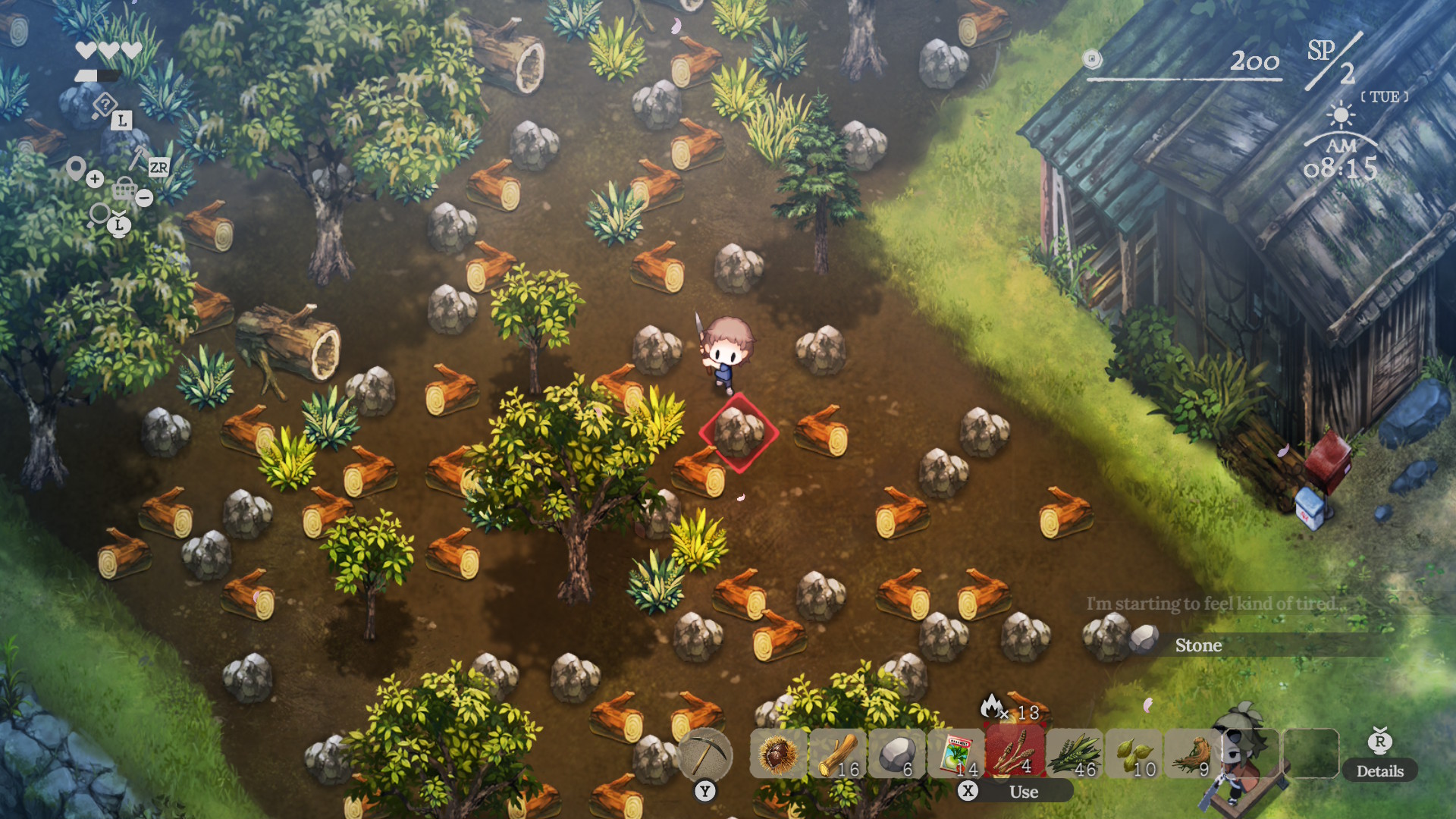
While Village in the Shade’s story wastes no time setting up its central mystery and creating the feeling that something isn’t quite right in Kagatsu, its gameplay takes things at a different pace. Its core is recognisably and undeniably that of a farming sim, and for the first few hours or so, as you familiarise yourself with the mechanics, Village in the Shade sticks to the conventions of the genre. You’ll spend a good chunk of your time clearing land, tilling soil and tending to your vegetables, supplemented by mining, hunting with bows and even the ubiquitous fishing minigame. Eventually, you’ll decide to sneak out past 11 PM, and Village in the Shade shows its second face. By night, the cutesy farming sim becomes a full-fledged survival horror game.
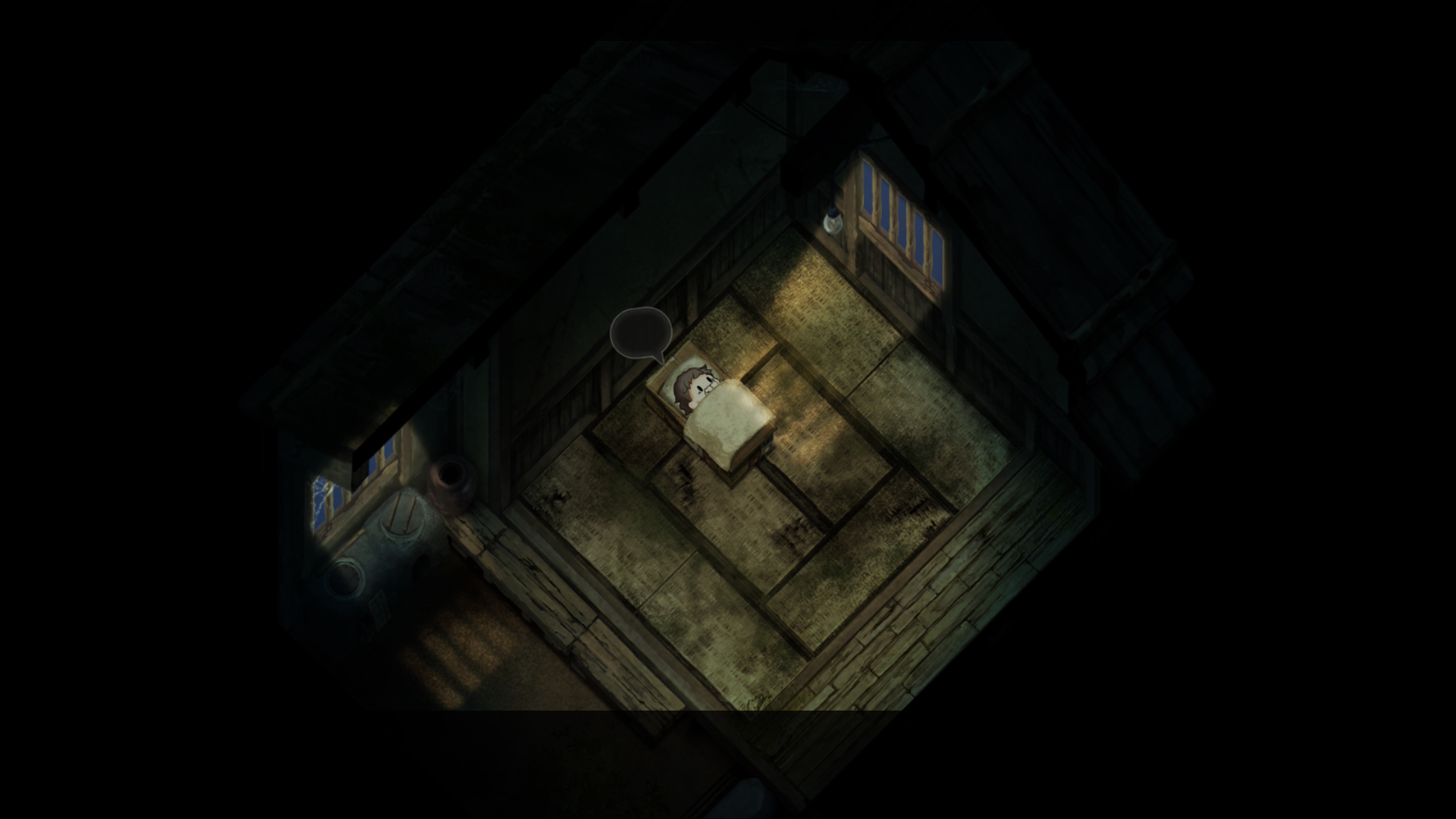
When you’re out and about at night, you’ll evade folklore-based yokai and spirits, collect cursed items, and offer Magatama at shrines for skill tree upgrades and permanent stats. That shift to Village in the Shade’s secondary layer mainly ties into its overarching story, and dictates the game’s overall pacing to a significant degree. Village in the Shade’s structure is rigid and linear, which does get in the way of the farming mechanics. The game’s baffling and unintuitive save system highlights this: autosaves don’t happen frequently, and there are no manual saves. The only way to save is to go to bed, potentially wasting part of your in-game day.
Now, to the game’s credit, there is a way to circumvent the frustration that comes with the rigid narrative pacing with the secondary Village in the Sunshine mode, which strips away both the game’s horror elements and Kagatsu’s strict rules. This optional mode turns the game into a purely cozy farming experience. While the main narrative-driven mode is still the best way to experience Village in the Shade, having the option to indulge in back-to-basics farming is a good thing, and it does wonders for the game’s longevity. With an estimated runtime of 70 hours, though, it’s not like Village in the Shade is a short game in the first place, and that €49.99 price tag is definitely justified.
Conclusion
The unique blend of farming sim and survival horror gives Village in the Shade the hook it needs to truly stand out from a genre that has been repeating itself for years now. Admittedly, the game’s pacing and insistence on storytelling get in the way of Village in the Shade’s farming sim gameplay. Given just how good that story itself is, and that the game offers a secondary mode where you can still farm to your heart’s content more than make up for the rigidity of the main campaign.





No Comments