


Developer: Shatterproof Games
Publisher: MadOctopus
Platform: PC, Switch (2)
Tested on: PC
Aarik and the Ruined Kingdom – Review
Third time’s the charm. We missed the initial release of Aarik and the Ruined Kingdom on PC, way back in 2024. When the game came to Switch in March of this year, it once again slipped under our radar. It was actually the release of another game by the same publisher that led us to Aarik. We’ll file this one as a backlog review, even though we’ve only played it recently. Have we been missing out, and should you see this review as your sign to go and check out Aarik for yourself?

Story
The titular Aarik is a young prince who is forced to take up his father’s crown. The kingdom has fallen into a state of disarray… and so has the king. Now bedbound and pessimistic, the monarch has abandoned his responsibilities. Meanwhile, Aarik’s mother, the queen, has vanished after setting out on a desperate mission to restore the kingdom’s various biomes. Aarik sets out to close the distance between them, following a trail of powerful gems she has left behind. Along his journey, the young prince encounters quirky characters, including his own skeletonized pet and a sentient sea structure.
Graphics
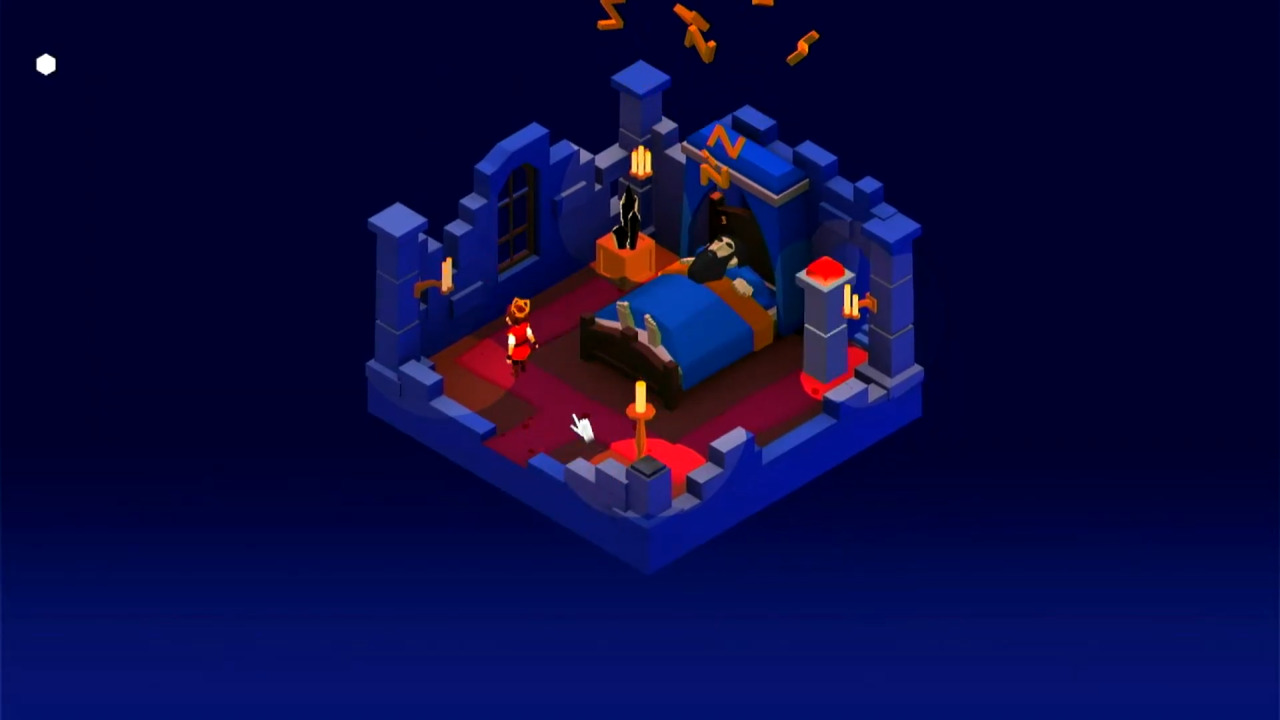
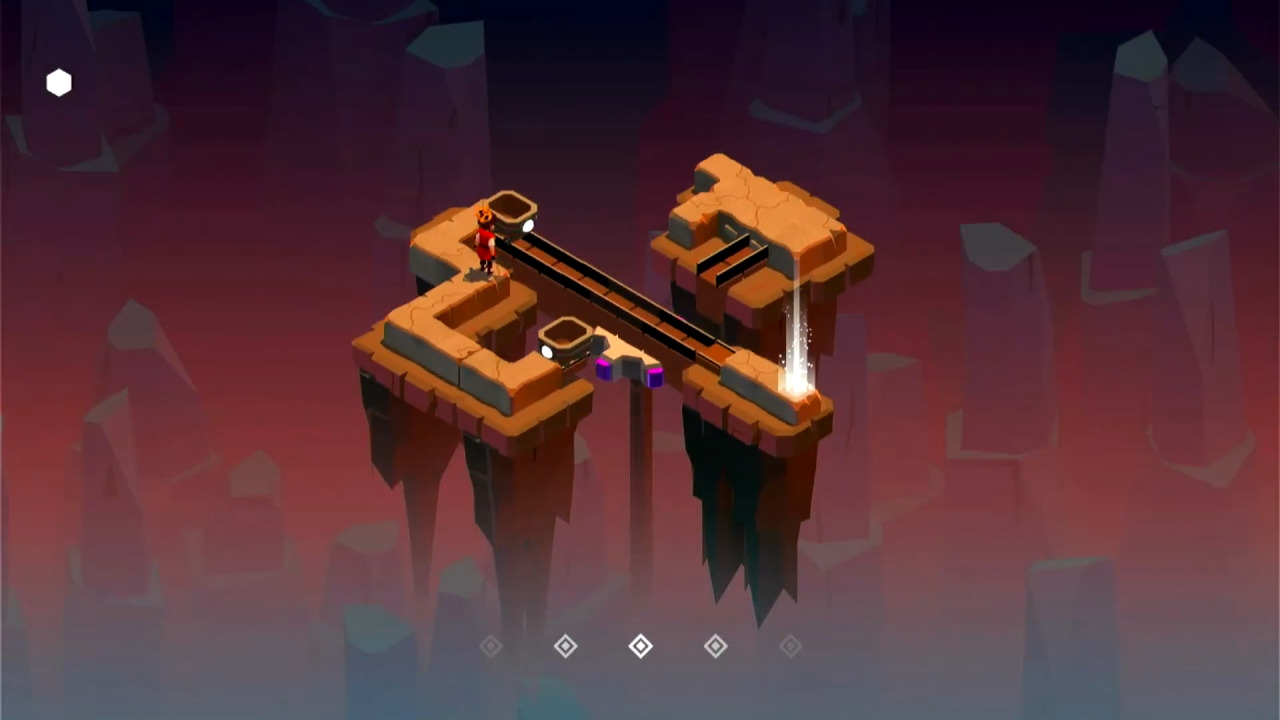
Despite the bleak premise of Aarik’s story, the game’s visuals have a warm and cozy look to them. The charming, low-poly art style is brought to life with a vibrant and lush colour palette. The game’s six different biomes utilize distinct environmental design elements. They showcase not just the kingdom’s decay but also the first building blocks of its restoration, adding a sense of underlying hope. Aarik’s art direction emulates a fairytale storybook, with the game relying on sheer charm and cosiness rather than attempting to really impress players with its visuals. This does mean that animations in particular are sparse and functional rather than expressive, but the upside is that the game isn’t too demanding. We experienced a smooth journey, at least in terms of performance.
Sound
Complementing the game’s relaxing and cosy atmosphere is a soundtrack that consists of serene compositions. The music never takes centre stage and remains unobtrusive throughout. In fact, the entirety of Aarik’s sound design is minimalistic, and not necessarily for the better. The game is lacking in mechanical audio feedback, which can be annoying when you’re trying to figure out whether or not an object has been successfully aligned or placed in a puzzle. Dialogue is conveyed entirely through on-screen text, with occasional character hums or gasps adding only the bare minimum of audible character depth.
Gameplay
The core gameplay of Aarik centers around navigating a series of self-contained isometric puzzle levels. The primary goal is to manipulate the environment to guide the prince safely to each level’s exit tile. Left-clicking moves Aarik and right-clicking rotates the map by 90 degrees. The latter is perhaps the game’s most important mechanic, as doing this alters how objects interact, lining up separate pathways, bridges, or pieces of architecture that are at varying heights or distances in 3D space. Each level also features an optional hidden crown for players to find by rotating the camera.
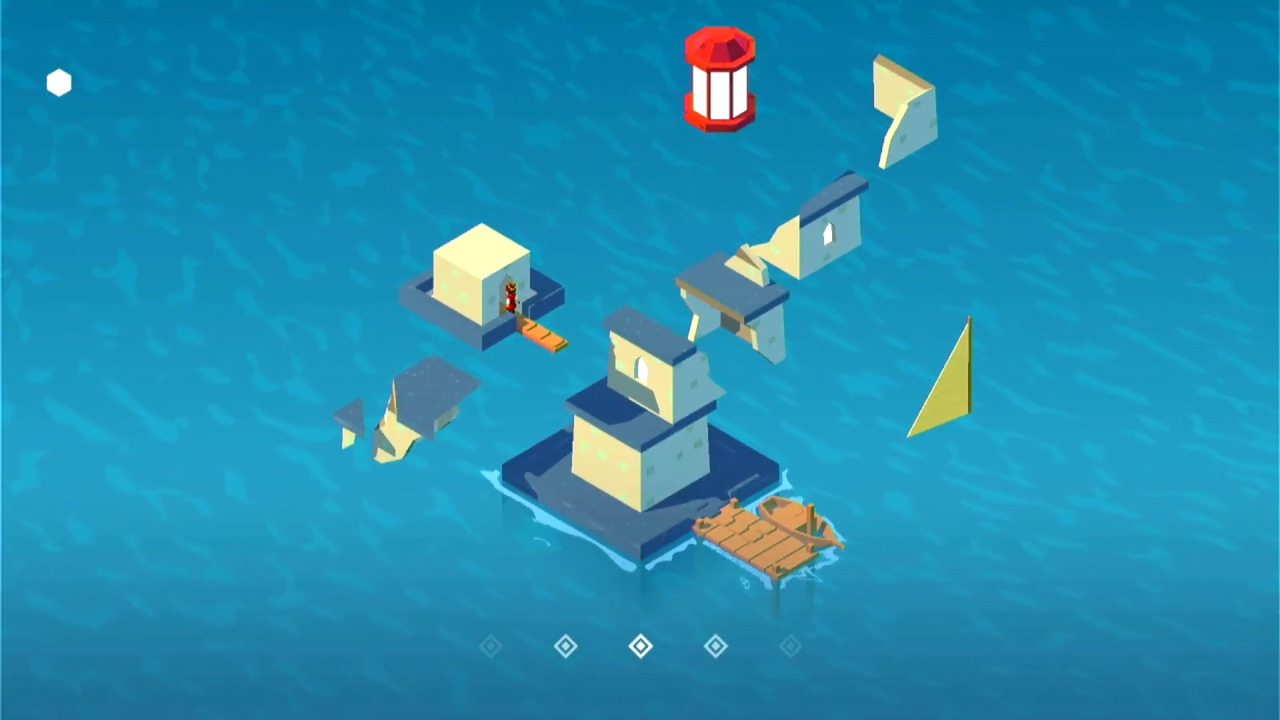
Speaking of crowns, Aarik has one of his own (or at least, his father’s). As Aarik explores the different biomes, he recovers the gemstones left by his mother and places them in his crown. These unlock unique abilities that allow the young prince to manipulate the environment, including telekinetically shifting pillars and statues, repairing broken structures, operating switches to route water, and even manipulating time itself. It’s an impressive skillset for sure, although mechanically the game itself doesn’t always live up to its own puzzles. Placing objects can feel finicky and cumbersome. Harkening back to our critique about missing mechanical sounds, it’s difficult to tell if an item is perfectly lined up, often resulting in said object snapping back to its original position without explanation. It’s also not always clear which objects can be interacted with, as they blend in with the environment, and there are no prompts or indicators present to guide you.
These issues are design quirks rather than the result of the puzzles themselves being difficult. Looking at the puzzles purely from a complexity viewpoint, Aarik is definitely on the easier side. A few isolated puzzles may stump some players, but seasoned puzzle veterans will find the game a breeze. There are no enemies, health bars or time limits to worry about, and the game is very short. It took us under two hours to complete this one, and apart from finding those hidden crowns, replay value is essentially non-existent. To Aarik’s credit, the game’s €7.79 price point is low enough to justify its short runtime. That may be slightly more expensive than EastAsiaSoft’s puzzle games with similar runtimes, which we’ve been reviewing a lot of lately, but Aarik knocks them out of the park through sheer charm and cosiness.
Conclusion
Succeeding on the strength of its atmosphere, rather than the depth of its design, Aarik and the Ruined Kingdom offers a beautifully crafted, bite-sized journey. Despite the occasional mechanical quirk and lack of audio feedback, the game ultimately wins you over with its storybook presentation and relaxed pacing. It won’t present a massive hurdle for puzzle veterans, but anyone looking for a stress-free afternoon game will find Aarik’s charming little world well worth stepping into.





No Comments