


Developer: DALOAR
Publisher: Daedalic Entertainment
Platform: PC, PS5, Xbox Series X|S
Tested on: PC
The Occultist – Review
Daedalic Entertainment, now there’s a name we haven’t heard in a while. After the disaster that was Gollum, the studio shut its doors. Daedalic wasn’t entirely dead though, shifting its focus to publishing games instead of developing them. Even then, they’re far from the most active publisher out there, with our previous review of a Daedalic-published game dating back over a year. There is perhaps a bittersweet irony to Daedalic handling the publishing duties for Spanish indie studio DALOAR’s debut title The Occultist, given the story’s central theme of trying to circumvent Death’s icy touch. Can The Occultist provide evidence of there being life after death?
Story
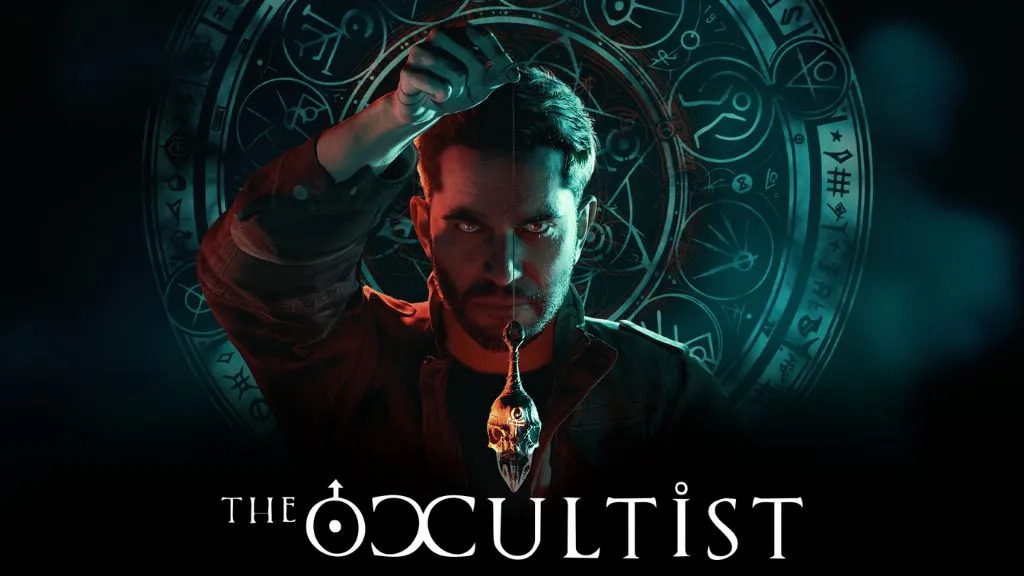
The narrative of The Occultist follows paranormal investigator Alan Rebels, who travels to the isolated, fog-shrouded island town of Godstone to look for his missing father. Upon arriving, Rebels discovers that Godstone is a ghost town… literally. Decades prior, an influential resident named John Redler became obsessed with overcoming Death after his wife passed away. Redler enacted a dark occult ritual that backfired disastrously, wiping out the island’s population. Now, the withered, mummified husks of the townsfolk still lie exactly where they perished, while their spirits wander the land. The sole survivor of this massacre was Rebels’ father, who returned to the island seeking redemption. It’s up to Rebels to unravel Godstone’s dark secrets, piece together his father’s connection to Redler’s cult, and attempt to undo the curse.
Graphics
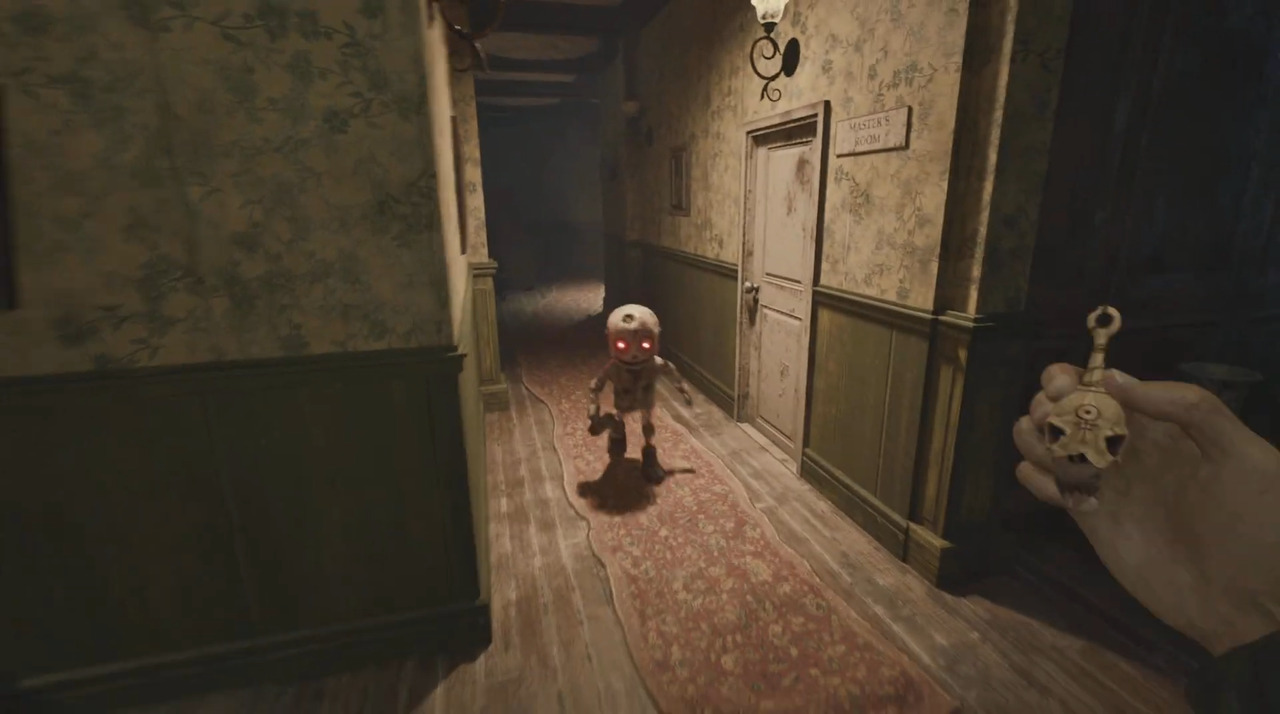
Built using Unreal Engine 5, The Occultist features a dark, realistic, and highly atmospheric aesthetic. Outdoor environments are blanketed in a thick fog and illuminated primarily by moonlight, creating a strong sense of unease. There is a surprisingly wide variety in environmental design, with the different locations you visit embodying common horror tropes, including a rundown hospital, a massive orphanage, a cemetery, a house in the woods, and a dilapidated circus. Environmental storytelling is outright fantastic in the game. Conversely, the game’s 3D character models don’t live up to the game’s environmental atmosphere. Enemy designs such as possessed dolls and animatronics often come across as cartoonish rather than threatening, undermining the game’s intended sense of horror. In terms of technical performance, The Occultist is fine but not outstanding, with a mostly solid framerate.
Sound
As fantastic as The Occultist’s environmental storytelling is, it’s perhaps surpassed by Pepe Herrero’s original soundtrack when it comes to defining the game’s eerie atmosphere. When you’re exploring Godstone, music is fittingly subtle. It then dynamically swells with anxiety-inducing, tense beats whenever threats or chase sequences occur. Fittingly enough, it does so in concert with the game’s environmental audio. Details such as creaking floors, the whistling wind sounding like human voices, the wailing of spirits, children giggling in the abandoned orphanage, and clocks ticking when they shouldn’t, all add to the psychological tension. And then we get to the voice acting, which is nothing short of fantastic. The star of the show is Geralt of Rivia himself, Doug Cockle, who voices Alan Rebels. His delivery of both inner monologues and interactions with other characters adds immense immersion and personality to the character. The supporting cast, which includes the likes of KARMA’s Amrit Sandhu and Anno 117’s Scott Tunnix, adds life to their characters as well, although the occasional off-sounding accent can distract somewhat. Overall, audio is perhaps The Occultist’s strongest suit. We really recommend playing with good headphones to immerse yourself.
Gameplay
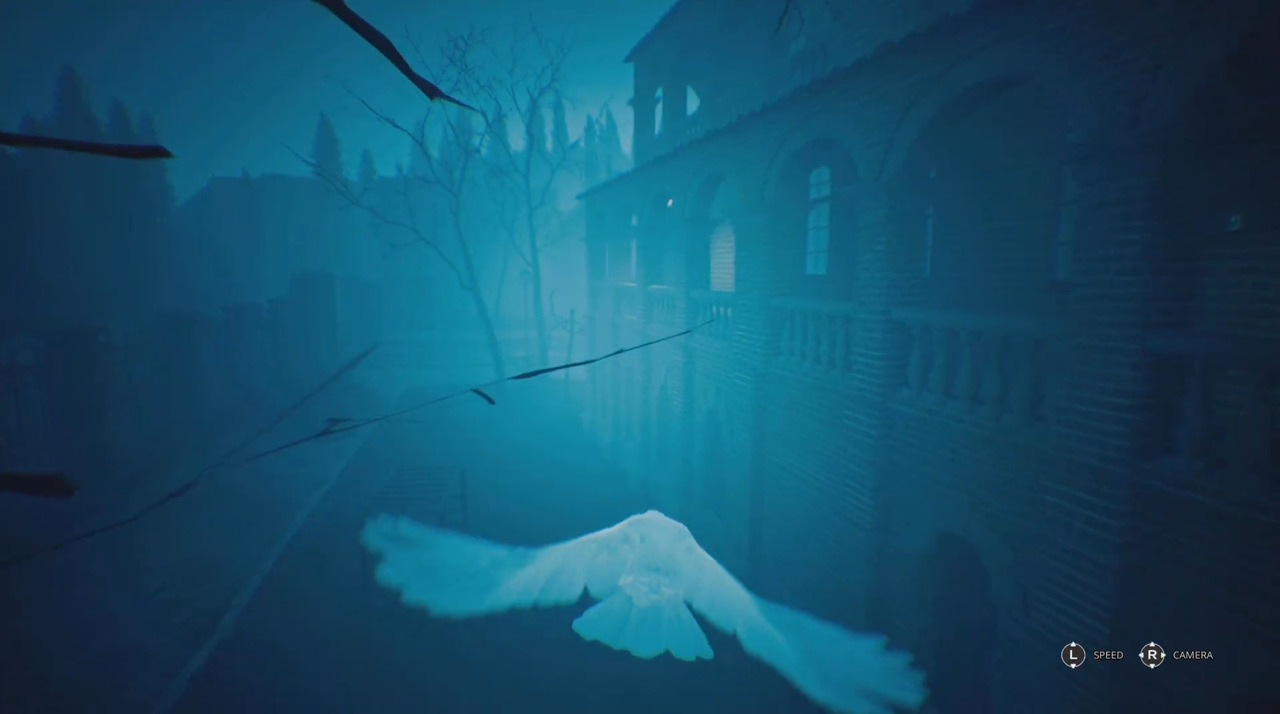
A first-person narrative thriller, The Occultist combines free-roaming exploration and environmental investigation with puzzle-solving and survival horror elements. As Rebels, you navigate relatively small linear environments to collect clues, read notes, and locate specific items to progress. The defining mechanic is Rebels’ mystical pendulum, which acts as a supernatural Swiss army knife, granting him access to a variety of abilities that are unlocked over the course of the game. Initially, the pendulum is used to reveal lingering remnants of past events, as well as bloodstains and other traces. Later on, it allows Rebels to manipulate time to restore broken objects and reanimate dead bodies, as well as summon animals, including an ethereal raven that can grab out-of-reach objects and a swarm of rats that can clear pathways.
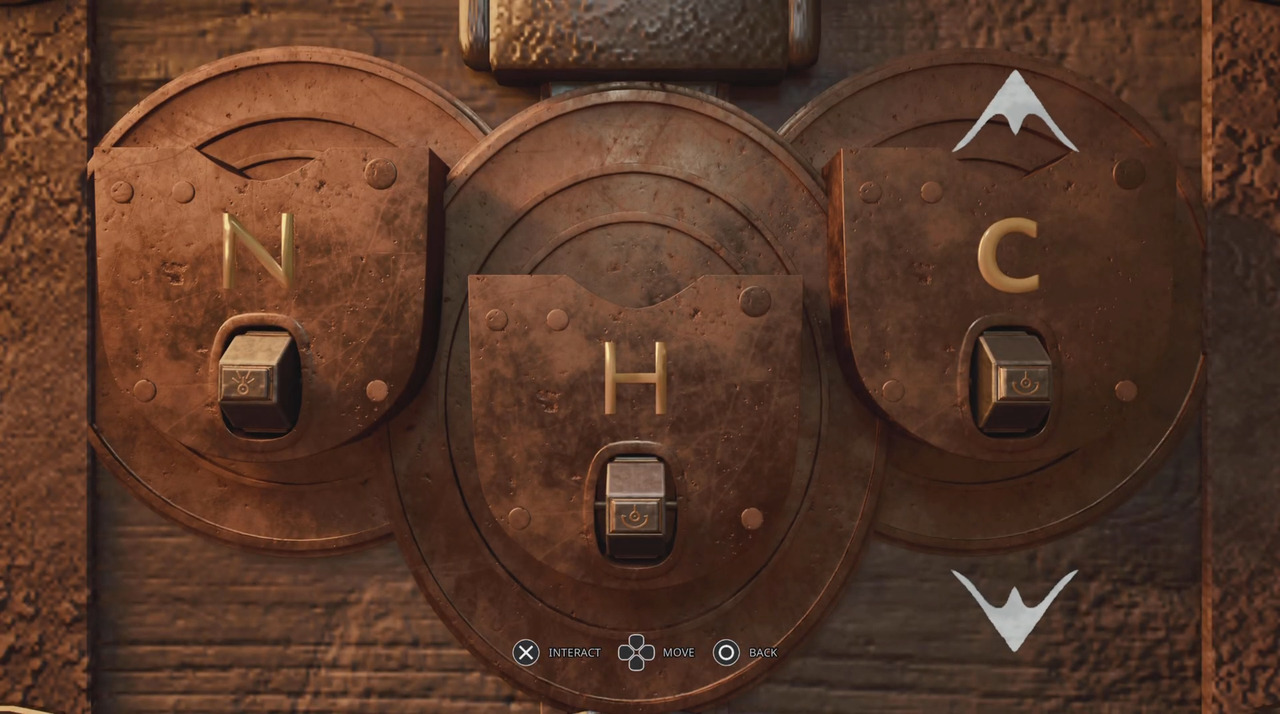
Puzzles are The Occultist’s bread and butter. These are as varied as the game’s environments, ranging from mixing potions to forging signatures and even applying makeup to corpses. The downside of such a wide variety of puzzles is that they are uneven in both execution and quality. Solutions are often obtuse, and puzzles that require high precision, such as that signature falsification, can be frustratingly fiddly. This isn’t the only aspect of The Occultist that falls flat either. As we mentioned, the game is great at building tension in a cinematic manner, but that tension isn’t palpable in the gameplay. Traditional combat is entirely absent, and when you encounter hostile entities, such as ghosts or explosive animatronics, you need to rely on stealth. In practice, enemies patrol rigid, predictable paths and cannot cross room boundaries. As a result, avoiding danger is often as simple as stepping into a side room, resulting in stealth sequences that feel tedious rather than scary. In fact, The Occultist’s insistence on not featuring combat highlights the incongruity of its two boss “fights”. Here, you’re required to think your way through by dodging their attacks and luring the bosses into self-harm. Built around QTEs, these encounters are poorly designed and mechanically frustrating. They simply don’t fit in with what is otherwise an atmospheric narrative game. We wouldn’t remove them from the game, as they make sense narratively, but a version where you rely more on your pendulum’s supernatural abilities instead of basic Scooby-Doo tactics would’ve made more sense.
Although there are many highs in The Occultist, there are many lows here as well. It’s as if the development team threw every idea they had at the wall, hoping that every single one would stick. It is, of course, important to keep in mind that this is DALOAR’s debut title, so it makes sense that they’d try to cram as much into the game as possible, but one can’t help but wonder if this would’ve been a better game if things were scaled back and more focused instead. Alternatively, a longer runtime than the current six-hour-ish one could have given these disparate mechanics more room to breathe and mature. The Occultist is highly linear too, and feels lacking in replay value and post-game content, so the €29.99 asking price is a tad on the high side, though if you can get it on a discount, it’s probably worth adding to your library if you happen to be a genre enthusiast.
Conclusion
We can’t say that DALOAR is lacking ambition, but there is still room for improvement when it comes to execution. The Occultist is fantastic when it comes to cinematic storytelling and creating a genuinely creepy atmosphere, but its gameplay is a mixed bag. The expression ‘Kill your darlings’ comes to mind, although in this specific case, we should add ‘…but revive them in the sequel’ to it.





No Comments