


Developer: Intelligent Systems
Publisher: Nintendo
Platform: Switch 2
Tested on: Switch 2
Fire Emblem: Fortune’s Weave – Review
Up until the confirmation of the release date for Ocarina of Time for Switch 2, it seemed like Fire Emblem: Fortune’s Weave was going to be Nintendo’s final “big” title for 2026. While the Legend of Zelda series definitely is the more well-known and popular of Nintendo’s two main fantasy IPs, we’d say that Fortune’s Weave is definitely a more ambitious game than a remake of an N64 title that already saw a 3DS version as well. We may be a little biased as long-time Fire Emblem fans, and we could go on for hours on how Fortune’s Weave ties into the lore of Three Houses (Agarthan technology! Sothis! Chichol!), but in the interest of brevity, we’re looking at Fortune’s Weave on its own merits.
Story
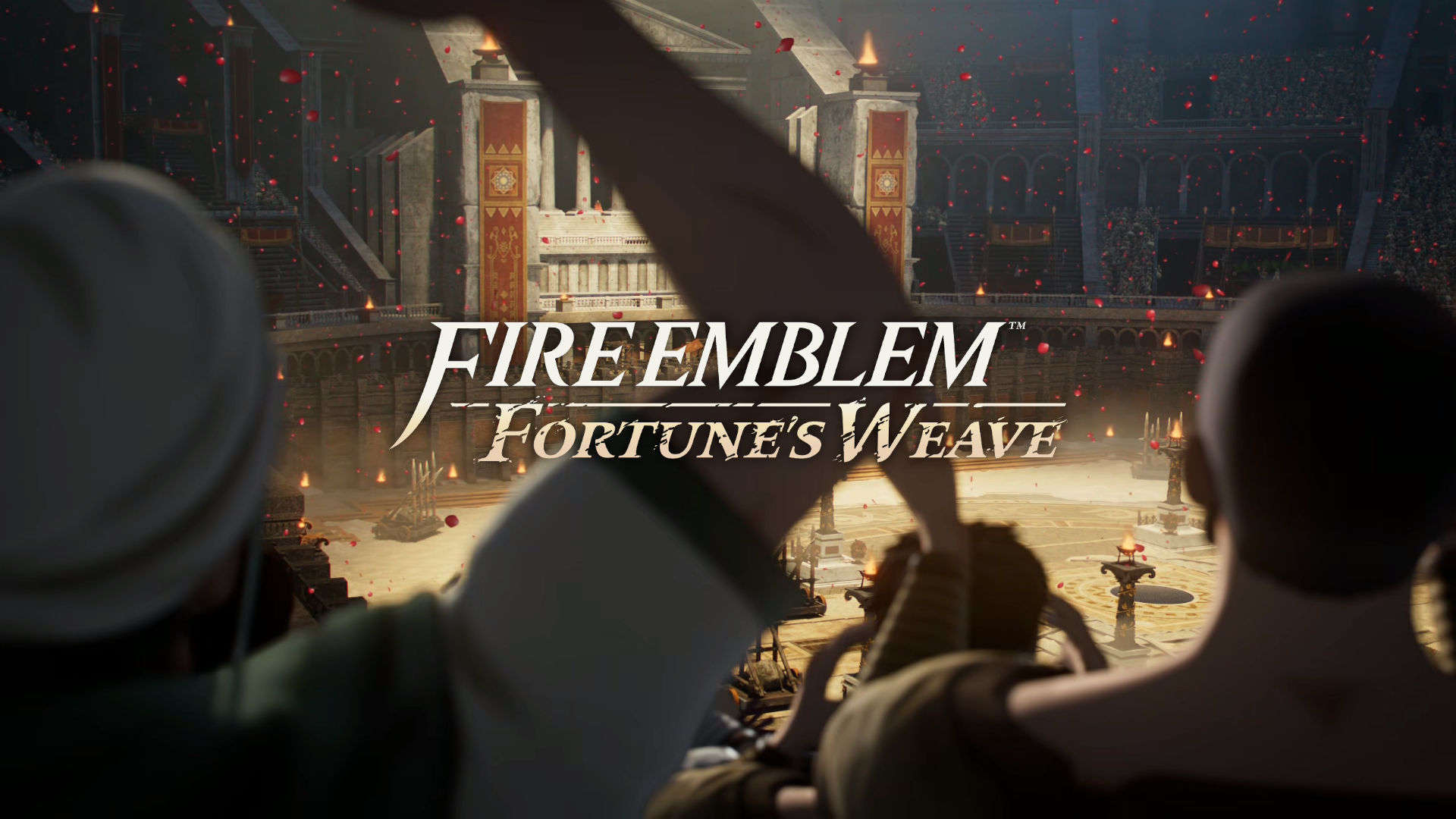
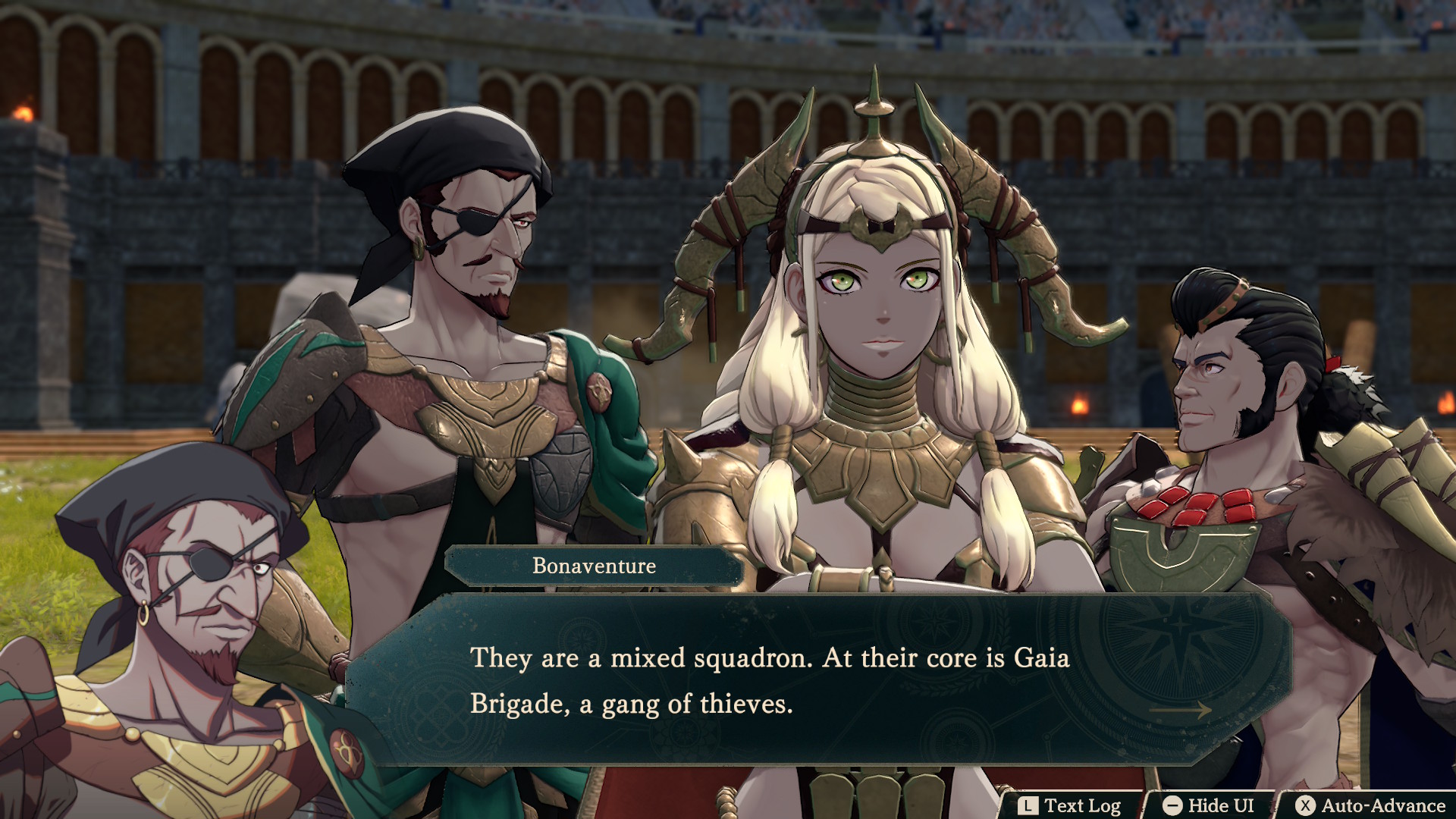
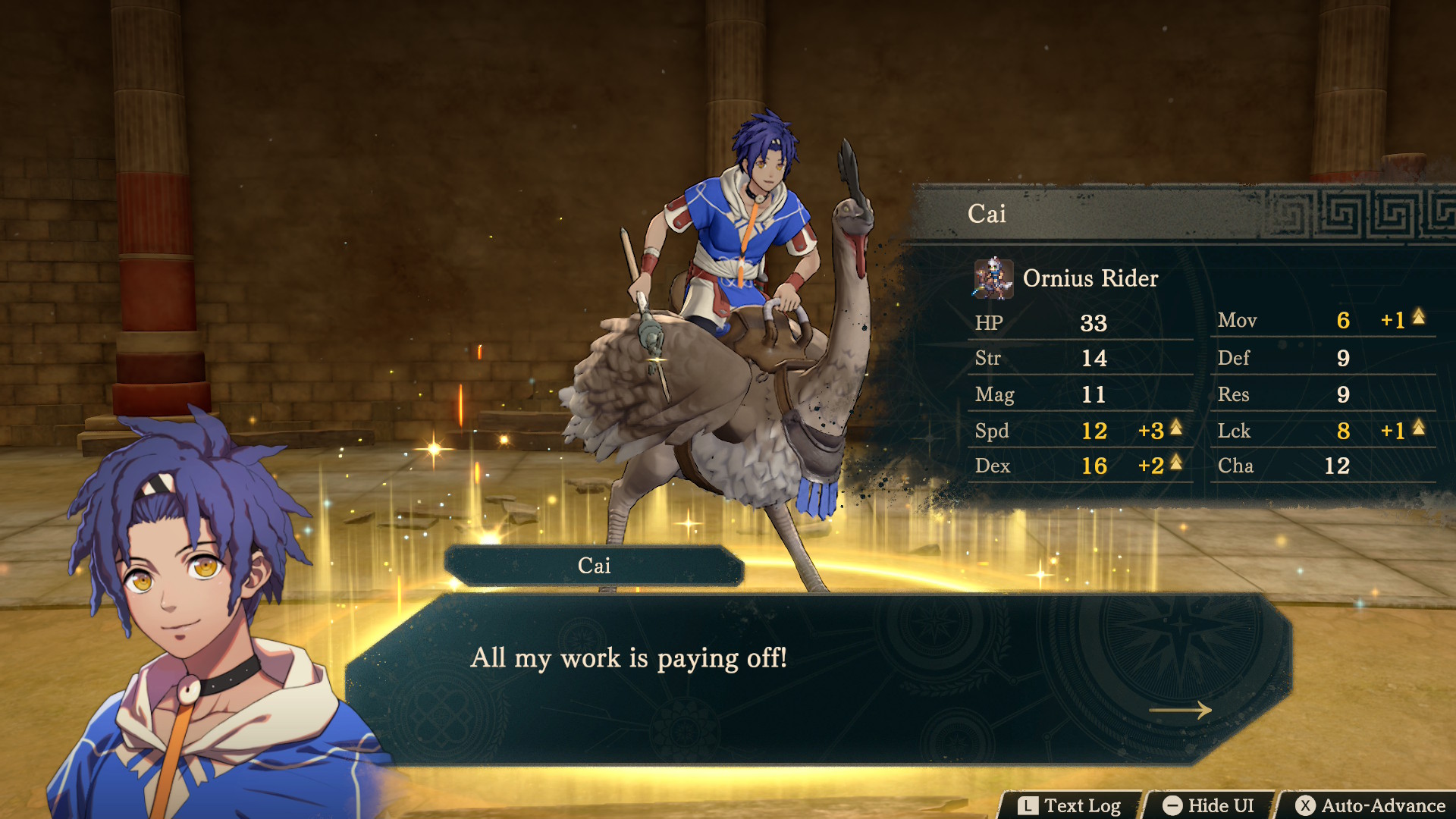
The prologue sequence to Fortune’s Weave paints a very bleak picture. The Dagdan Empire has already fallen, and the few survivors are forced to deal with the Risen Dead. Not all hope is lost, though. Under the guidance of the Goddesses Sothis and Fortuna, a small resistance fights back against the forces of the demon king Balor. Their plan is to send Eshmel, the herald of the Pale Raven (that’s you!) back in time five years, to alter the fates of four heroes and unite them to take down Balor once and for all. These heroes include Cai, a young boy; Dietrich, a mysterious swordsman; Leda, a musician; and Theodora, the queen of Saramis. They’ve all come to Dagsion, Dagdan’s capital, to take part in the Heroic Games, the winner of which gets their wish granted. Each of the heroes has their own motivation to claim the prize. Fortune’s Weave lets you follow their individual stories, in any order that you wish, though you’ll find that they may just be interconnected in more ways than you’d think.
Graphics
We’re at a point where the Fire Emblem series has established a recognisable art style. Fortune’s Weave harkens back to the darker, moodier vibe of Three Houses instead of Engage’s more saturated colour palette, but all three of these games stay faithful to the overarching aesthetic. That’s fine with us, because the stylized anime-meets-3D visuals simply look great. The only gripe we have with Fortune’s Weave’s visuals is that they’re locked to 30 fps rather than taking full advantage of the Switch 2’s improved hardware capabilities and offering a crisp 60 fps.
Sound
Ahead of the game’s release, Nintendo dropped a handful of tracks from Fortune’s Weave’s OST on the official Nintendo Music app. We already liked what we were drop-fed beforehand, but boy, have they been holding out on us. Fortune’s Weave’s soundtrack is nothing short of a masterpiece, filled with meaningful character leitmotifs, audio cues that dig into the series’ history, and all-round bangers. Like previous series entries, the game also brings together a veritable who’s who of voice actors, including the likes of Cassandra Lee Morris as Sothis and Mark Whitten as Seteth. One tiny thing that irked us was that you can’t change voice settings to Japanese until after you’ve played for a while. While we enjoy the fantastic job the English voice cast does here, providing language options from the get-go would’ve been much better for those that prefer to play with Japanese audio.
Gameplay
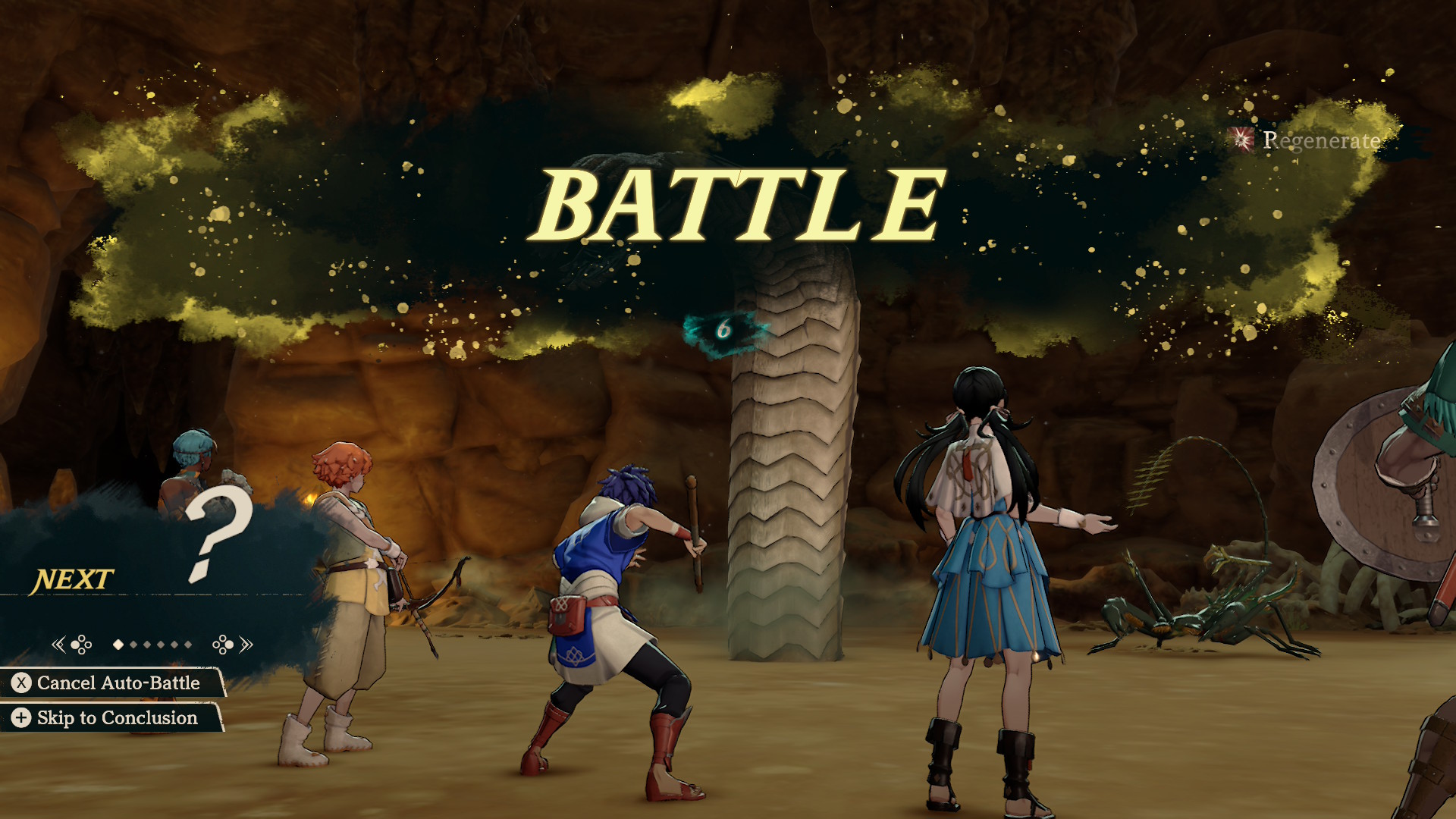
Turn-based battles on a grid have been Fire Emblem’s bread and butter since the series debuted over 30 years ago. While these still form the backbone of Fortune’s Weave, they’re not as front and center as they were in previous entries in the series. Instead, Fortune’s Weave puts a lot of emphasis on non-battle elements that were introduced in previous games in the series, and even expands on them. Unsurprisingly, the majority of these returning elements will feel familiar to players of Three Houses, with Fortune’s Weave’s turn system echoing Three Houses’ school calendar, gift-giving being a major part of building relationships with party members and an automated training system. Another major returning feature is light dungeon crawling, which was last seen in the 3DS entry Shadows of Valentia. Here, battles take on a more traditional JRPG-style approach, where your entire party takes to the field and works together to fight off a group of enemies.
The sheer amount of things that you can do in between battles can feel overwhelming, especially early on in the game when you don’t quite know what to focus on. Almost every action you can take uses a turn point, and although you may be under the initial impression that you’re given more than enough of these to work with, Fortune’s Weave is such a vast game that you’ll end up consuming your turns rather quickly. This is especially true when you’re tasked with venturing beyond Dagsion’s walls, where you’ll find more dungeons to crawl and villages to trade with. The world of Dagdan isn’t an open world that you can freely explore, but mostly a node-based map, and travelling to nodes that are farther away will eat up precious turns as well.
Compared to other series entries, Fortune’s Weave is a slow burn, and we do mean this in the best way possible. A full playthrough of the game, which involves playing through all four routes before taking on Balor, will easily set you back well over 100 hours. This is both a blessing and a curse, as the game doesn’t really open up until after you’ve cleared your first route. Because of the scope of the story, characters that aren’t crucial to your route typically feel like ‘filler’ additions to your army. Combine this with the effort that it typically takes to recruit them, and it becomes difficult to feel a connection to them in the same way that you’d connect to your house students in Three Houses. However, moving on to a different route suddenly may put these same characters in a different light. As massive as the game is, we’re fairly convinced that it doesn’t fully come into its own until a second playthrough. We don’t quite understand why Intelligent Systems decided that Fortune’s Weave only supports a single save file, and that there are only two difficulties in the game. Here’s hoping that a future update at least adds the series’ notorious ‘Maddening’ difficulty, but until this happens, there is still plenty here to sink your teeth into.
Conclusion
We’re still on the fence about whether or not Fortune’s Weave is the best Switch/Switch 2 Fire Emblem game, but we’re quite confident that it is the most ambitious. This is a game that we’ll be playing for months to come, simply because of how big it is and how much there is to do here. We do recommend that newcomers to the series give Three Houses a go first, as Fortune’s Weave can be overwhelming, but for anyone familiar with the series, this is a must-have entry.

Related Items



1 Comment
Leave a Reply
You must be logged in to post a comment.
[…] do you follow up on what is likely the greatest turn-based tactical RPG of the year? Why, with a much smaller indie entry in the same genre, of course. Don’t worry, we won’t be […]