


Developer: GoldenGratus
Publisher: GoldenGratus, Outersloth
Platforms: PC
Tested on: PC
Memoirium – Review
Sweet dreams are made of this. For indie developer Paolo Villanueva, AKA GoldenGratus, Memoirium is a dream game in more ways than one. Not only is it a passion project, as he makes clear on his website, but it is also set inside dreams. After four years of development, Memoirium is now available on Steam (or at least, it should be by the time you read this). Is the game a dream for Souls-like aficionados as well, or a nightmare?
Story
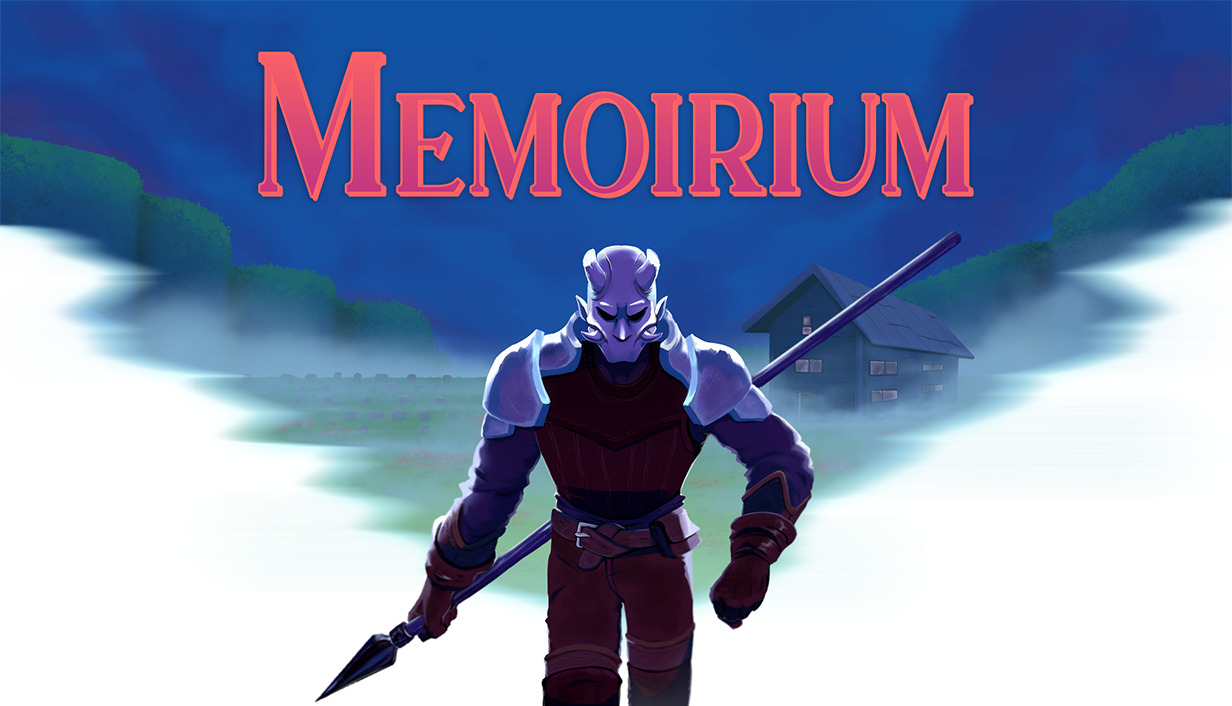
We’re honestly not sure where to start with this one. Set within a series of surreal dreamscapes, Memoirium’s narrative is ambiguous and cryptic. The game starts with you ‘awakening’ into a void-ravaged cemetery in the dream world. To escape this subconscious realm, you must defeat the guardians of three domains: a fortress made of wax, an icy mansion and the depths of the world. Memoirium uses its dream world setting to deliver a plot that relies on non-linear dream logic and obscure dialogue, featuring NPCs who deliver delirious riddles. This approach doesn’t convince, as “it’s a dream so it doesn’t have to make sense” is too easy of a way out, with the game’s plot ending up convoluted and lacking clear direction or purpose.
Graphics
When it comes to visuals, Memoirium stands out because of its retro low-poly aesthetic, which clearly takes inspiration from the PS1. The level designs commit to the game’s dream world setting, leaning heavily into surrealism and shattered fantasy geometry. There is little rhyme or reason to the disparate environments, which range from an abandoned school to a submerged coral paradise, and are linked together via giant shorts and statue bridges, all rendered with a rich and vibrant colour palette. Character designs don’t speak to the imagination as much as the world itself though, with almost every standard enemy and boss simply being a humanoid figure wielding conventional weaponry. We didn’t run into any notable framerate issues or graphical bugs, though your mileage may vary here. A lifetime of gaming may have conditioned us to ignore certain shortcomings of PS1-era visuals.

Sound
There isn’t a whole lot we can say about Memoirium’s soundscape, as, like with its visuals, the game fully embraces the conventions of the PS1. Music takes center stage here, contributing to the game’s mysterious, dreamlike tone. Sound effects and ambience are functional, but nothing special, and voice acting is absent.
Gameplay
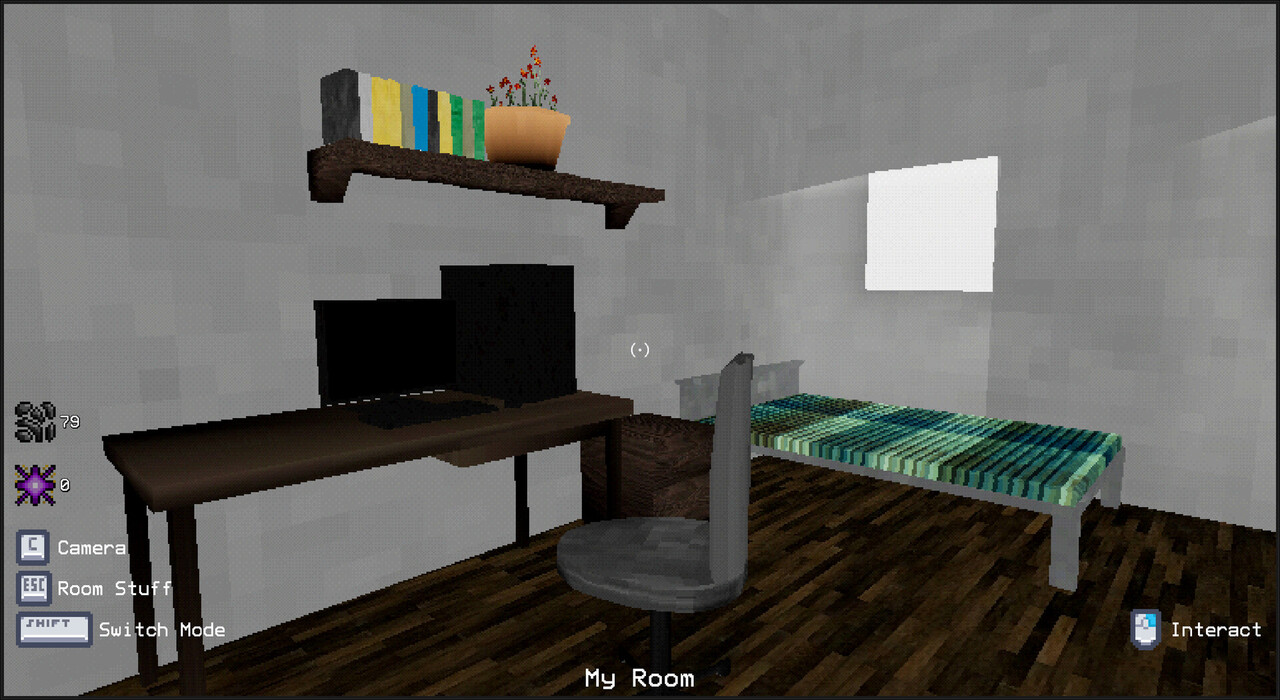
Building on the familiar foundation of early Souls-likes, Memoirium’s combat marries classic stamina-managed melee encounters with an intricate parry and posture dynamic. As with any half-decent Souls-like, combat is the star of the show, with exploration of your surroundings offering a break from its grueling tests of attrition. The dream world is a surreal maze-like exploration puzzle that relies on its own internal logic rather than real-world geography to connect its disjointed biomes. The dungeons frequently integrate dynamic environmental hazards, including lightning strikes that force you to sprint for cover, blinding icy fog, and a lighthouse beam that doubles as a deadly trap. It’s against this hazardous backdrop that you’ll hunt for hidden keys and uncover secret minibosses. While hunting through the dream world is frequently rewarding, navigating can devolve into a chore due to some hard-to-spot progression keys, long stretches without fast travel, and a few confusing level designs. It’s not all doom and gloom though, as you’re provided with a surprisingly quiet counterweight to the nightmare outside in the form of a homey bedroom. This living space is accessible at rest points and acts as a hub area where you can save, level up, and even let loose your interior designer as you can customise it with furniture.
Combat centers around two meters, Stress and Connection, which govern both you and your enemies. Your standard attacks, parries, and properly timed reactions will build up the enemy’s Stress meter towards a vulnerable posture break. Meanwhile, using elemental magic will build up your Connection meter. Once it’s full, you can unleash a massive burst of damage or inflict debuffs on your enemies. Fights also feature distinct visual glyphs for counterable moves. It’s standard stuff for a Souls-like and Memoirium doesn’t challenge the conventions of the genre. Because it doesn’t stray from the beaten path, how well its encounters land really depends on how well individual duels are designed. Unfortunately, it’s a mixed bag here, with boss fights that range from genuinely satisfying to drawn-out grinds due to some of them having massive health pools, especially in the latter half of the game.
Add to this an overly convoluted stat allocation that penalises experimentation and a persistent lack of enemy variety, and you’ve got a game that never goes beyond being just an adequate Souls-like over its 20-ish hour runtime. Of course, we can’t hold an indie Souls-like game to the same standards as an AAA title. If you’re looking for something new from the genre to play, and are willing to overlook indie jank, then Memoirium is worth checking out. Just keep your expectations in check. At the time of writing, the game’s pricing was yet to be confirmed, so we can’t comment on its value proposition, unfortunately. If you’re still on the fence, the game’s free demo should give you a good idea of what to expect before you fully commit.

Conclusion
As much as we wanted to give Memoirium a glowing recommendation, considering its limited development scope, the game doesn’t entirely live up to its potential. Its gameplay foundation is solid, and the game stands out thanks to those PS1 aesthetics, but it falls short when it comes to late-game boss fights, which are arguably the defining feature of a Souls-like. It doesn’t help that the game’s story is simultaneously convoluted and hand-waves logic, and that some of the dream world’s areas are unevenly designed. Memoirium is worth checking out if you’re already a genre enthusiast, but the game is unlikely to top anyone’s list when it comes to recommendations for Souls-like newcomers.





No Comments