

Developer: StudioLoading, Kibou Entertainment, Alunite,Inc.
Publisher: Alunite,Inc.
Platform: PC, GBC
Tested on: PC
Orpheus: To Hell and Back – Review
There are retro-inspired games and then there are actual retro games. Before we dive into Orpheus: To Hell and Back as a game, we have to address the elephant in the room: yes, this is an actual Game Boy Color game in 2026. In fact, Orpheus originally debuted on physical GBC cartridges before making the jump to Steam. Can a game designed to run on limited hardware hold up under modern scrutiny, or does it use nostalgia as a crutch?
Story
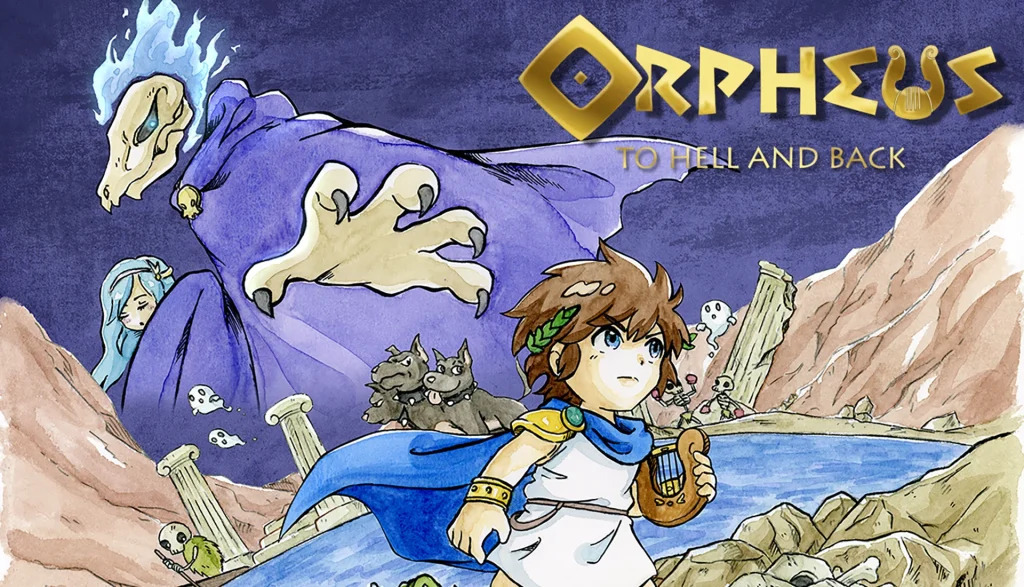
Even if your knowledge of Greek mythology is limited, the name Orpheus should ring a bell. If it doesn’t, then you better brush up on the source material, because the game assumes that you’re at least somewhat familiar with the classic myth of Orpheus and Eurydice. To jog your memory: the story follows the musician Orpheus as he travels into the underworld of Hades to rescue his lost love, Eurydice. In-game narrative fluff is kept to a minimum, with the focus instead being on room-to-room puzzle progression.
Graphics
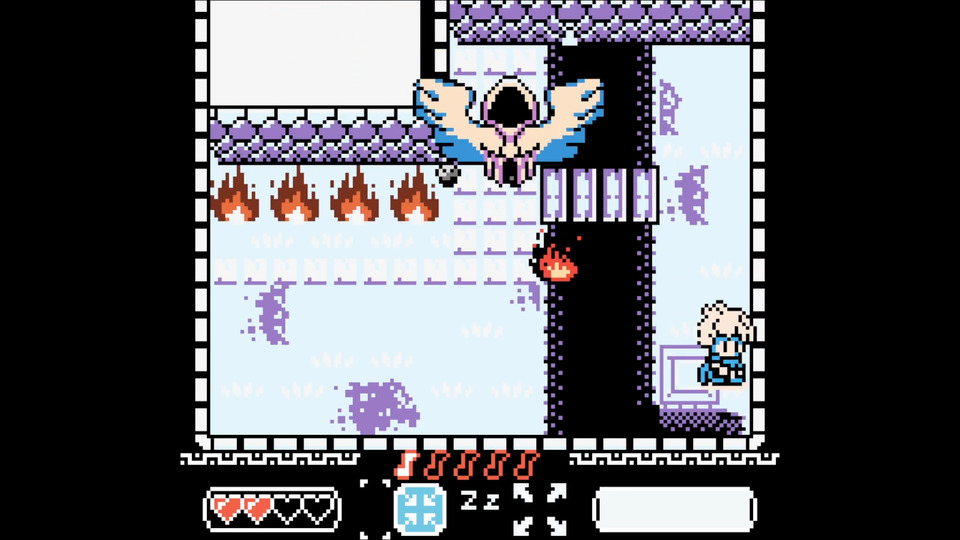
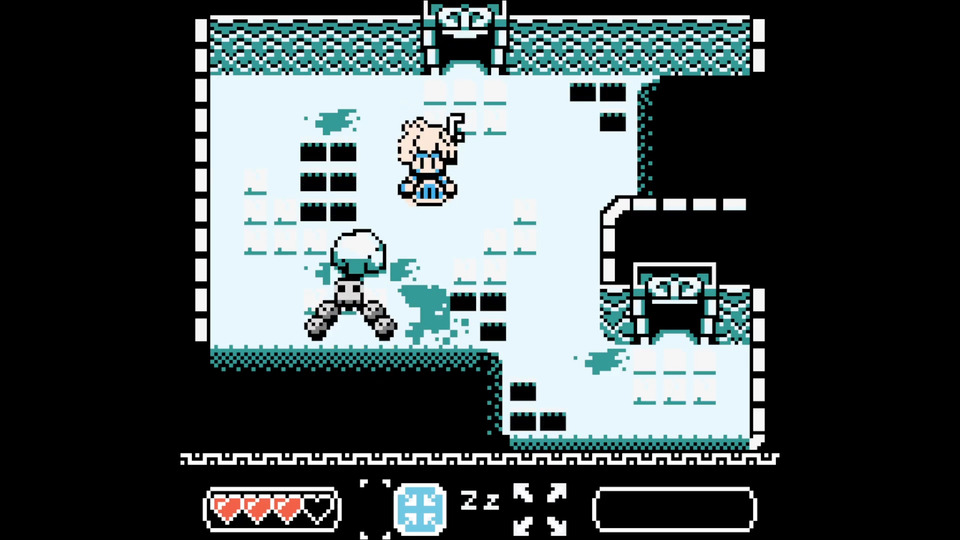
Where games like Saga of the Moon Priestess or Doki Monsters Quest attempted to mimic the look and feel of GBC games, Orpheus is the real thing, for better or worse. There is plenty of charm to the game’s 90s-inspired chibi art style. Sprites, enemies, and character designs are compact, with a cute retro pixel-art aesthetic. Naturally, the game’s animation reflects the constraints of the original hardware. As authentic as Orpheus looks, the game doesn’t quite survive the transition to modern hardware. On our PC, the game defaulted to a small window centered in a sea of black space, something we could fortunately adjust. One issue we couldn’t quite fix was Orpheus’ color palette. The GBC lacks a backlight, and the game’s native color settings were designed with that limitation in mind. However, this results in the PC version looking overexposed.
Sound
Some of the most memorable video game music of its era came from the GBC, despite (or perhaps because of) the limitations of the hardware. It’s certainly the case with Orpheus, as the 8-bit chiptune soundtrack is perhaps the best thing about the game. It’s energetic and very catchy. The rest of the game’s soundscape is sparse, with limited, functional sound effects and a complete absence of ambience and voice acting.
Gameplay
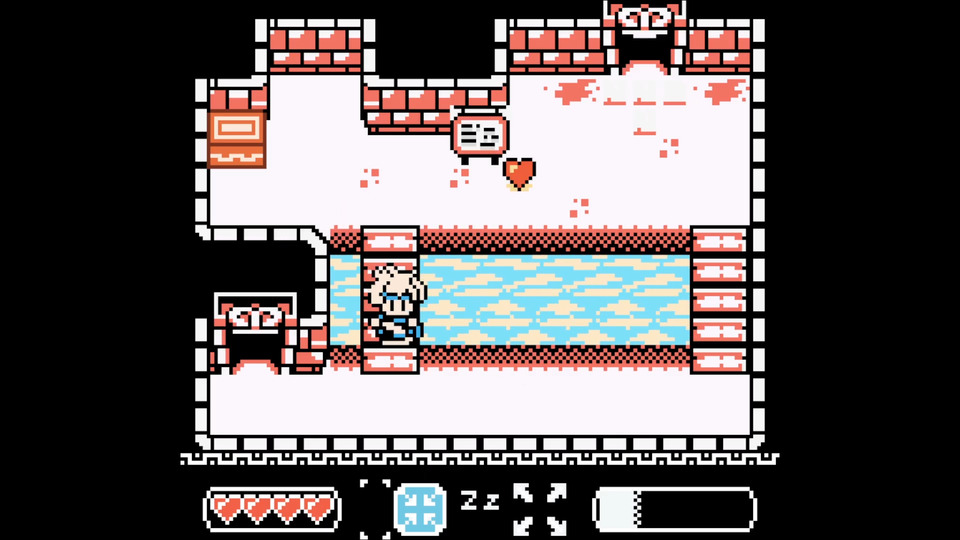
A puzzle game disguised as a top-down RPG in the vein of the GBC-era Zelda games, Orpheus tasks you with guiding the titular hero through Hades. Its core gameplay loop is simple enough: you enter a room, analyze enemy placement and block obstacles, manipulate those same enemies using your trusty lyre, unlock the door, and move deeper into Hades. There is no direct combat. Instead, you have three songs at your disposal, all of which are unlocked from the get-go. The Song of Charm makes enemies move to you, the Song of Fear pushes them away, and the Song of Sleep temporarily freezes them in place. By combining your musical abilities with your own physical prowess, you can overcome the Sokoban-style puzzles. These see you push boxes, trigger traps, and maneuver charmed or frightened enemies onto switches or into hazards to open doors.
Simple mechanics don’t translate into an easy game, mind you. We were quite surprised at how unforgiving Orpheus is. Dying anywhere in a level sends you all the way back to the very first room of that same level. This can become particularly frustrating during boss encounters, and we found ourselves relying on quick-saves to bypass these punishing level resets. This workaround probably isn’t what the developers intended, but in our defense, the late-game boss fights are serious difficulty spikes, and Orpheus started to wear on our patience. It’s also worth noting that collision boundaries weren’t consistent throughout the game when it came to level geometry and pushing objects, which led to quite a few unfair deaths.
As unexpected as Orpheus’ difficulty level was, it did end up feeling appropriate for the design philosophies behind many GBC games. Back then, these games were expensive, especially compared to their runtime. Relying on a combination of trial and error and having to replay entire sections over and over again was common, and served as a way to pad a game’s runtime and justify the price tag. Fortunately, the PC version of Orpheus doesn’t match the cost of original GBC games, with a price tag of just €2.99. We’d say that’s more than a fair asking price for a game that ultimately has two hours’ worth of content if you can play through it without being forced to replay specific sections over and over again.
Conclusion
Had Orpheus: To Hell and Back actually released back in the ‘90s, it probably would’ve been considered an unremarkable entry in the GBC library. The game’s main claim to fame is that it is a 2026 GBC game, and the game derives much of its charm from its novelty as a modern GBC release. Orpheus’ appeal is going to be limited outside of a very specific audience, but if you happen to be part of that audience, you can at least enjoy this little puzzle game as an authentic retro throwback.





No Comments