


Developer: The End of the Sun Team
Publisher: Mokosh Games
Platform: PC
Tested on: PC
The End of the Sun – Review
It has been a hot minute since we last dove into our backlog, although that’s not too surprising with games like Xenoblade Chronicles X and The Hundred Line eating up so much of our limited gaming time. Still, sometimes you want a change of pace from beating up enormous monsters. The End of the Sun promises to provide just that, offering a story-driven adventure game in a beautiful, tranquil setting. The game has actually been out since January, after a successful Kickstarter and a whopping eight years of development. While we did miss this one when it debuted, let’s rectify that and take a look at The End of the Sun.

Story
Taking inspiration from Slavic folklore, The End of the Sun’s story is steeped in magic and mystery. Players take on the role of an Ashter, a kind of sorcerer, who is on the trail of the phoenix-like Rarog. This mythical bird has been spotted on the outskirts of a valley in 18th-century Poland. The presence of the Rarog spells impending doom for the valley’s inhabitants, so it’s imperative for the Ashter to capture it before the bird burns everything to the ground. Of course, catching such a mythical creature isn’t an easy task. In fact, it’s a multi-year affair, but fortunately, the Ashter has the power of time travel on his side. While you’re on your bird-hunting quest, you’ll find that the inhabitants of the valley all have their own stories to deal with as well, many of them involving other myths and legends.
Graphics
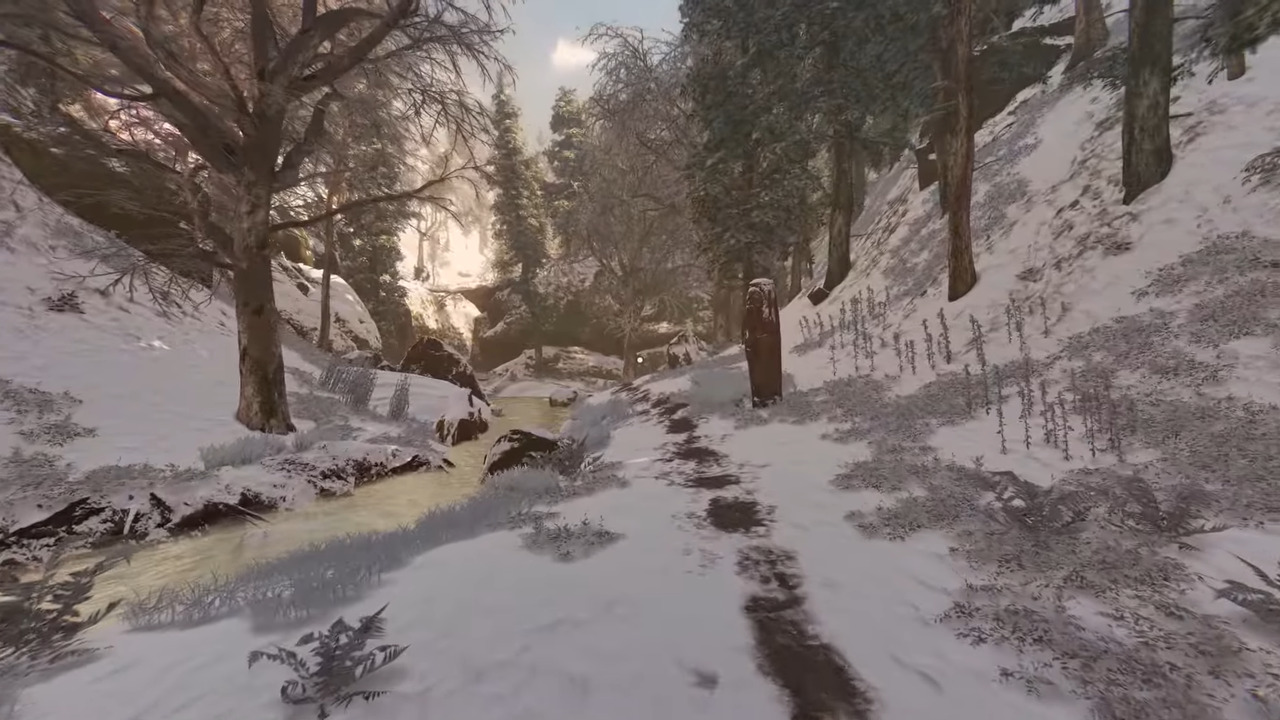
If there’s one thing that The End of the Sun absolutely nails, it’s its visuals. The natural environments are highly detailed and realistic. The game’s lighting further enhances this, as the sunlight is broken up by the different trees and plants in the valley. The time travel mechanic allows The End of the Sun to show its surroundings across different seasons too, which does add some variety. The only thing that really broke the immersion was that the hills and forests are missing animal life, apart from birds and butterflies. This makes the valley seem a bit empty, especially if you’re walking around with no humans in sight either. The game’s performance is surprisingly robust for a world with this level of visual detail.
Sound
The audio of The End of the Sun doesn’t have the same immediate impact as the game’s visuals, but over the course of the entire game, it’s just as effective, albeit in much more subtle ways. The ambient sound effects add even more realism to the environments, from the calls of birds to the rustling of leaves and crackling sounds of bonfires. This is underscored by a soundtrack that is used sparingly, at key moments. The songs, with Polish lyrics, emphasize the Slavic nature of the game. Voice acting isn’t in Polish, but in English. Given that the game is subtitled in English, hearing characters talk in their native language would’ve added to the overall feeling of immersion, so we do consider this a bit of a missed opportunity. However, the voice performances are good enough that this didn’t bother us too much.
Gameplay
A word of warning before you embark on this adventure: The End of the Sun is a very slow burn, pun not intended. Without wanting to sound too negative, The End of the Sun is essentially a first-person walking sim with puzzles thrown in to break things up. Despite the urgency implied by the narrative, this is a game that is meant to be played at a leisurely pace. This is both The End of the Sun’s greatest strength and its biggest weakness. Exploring the peaceful, beautiful environment is an absolute joy, and the game’s puzzles are clever and challenging without being frustratingly obtuse. On the other hand, The End of the Sun’s pace can be excruciatingly slow, and there is a lot of backtracking to be done here. There is very little to actually do here apart from soaking up the environment and the different stories.
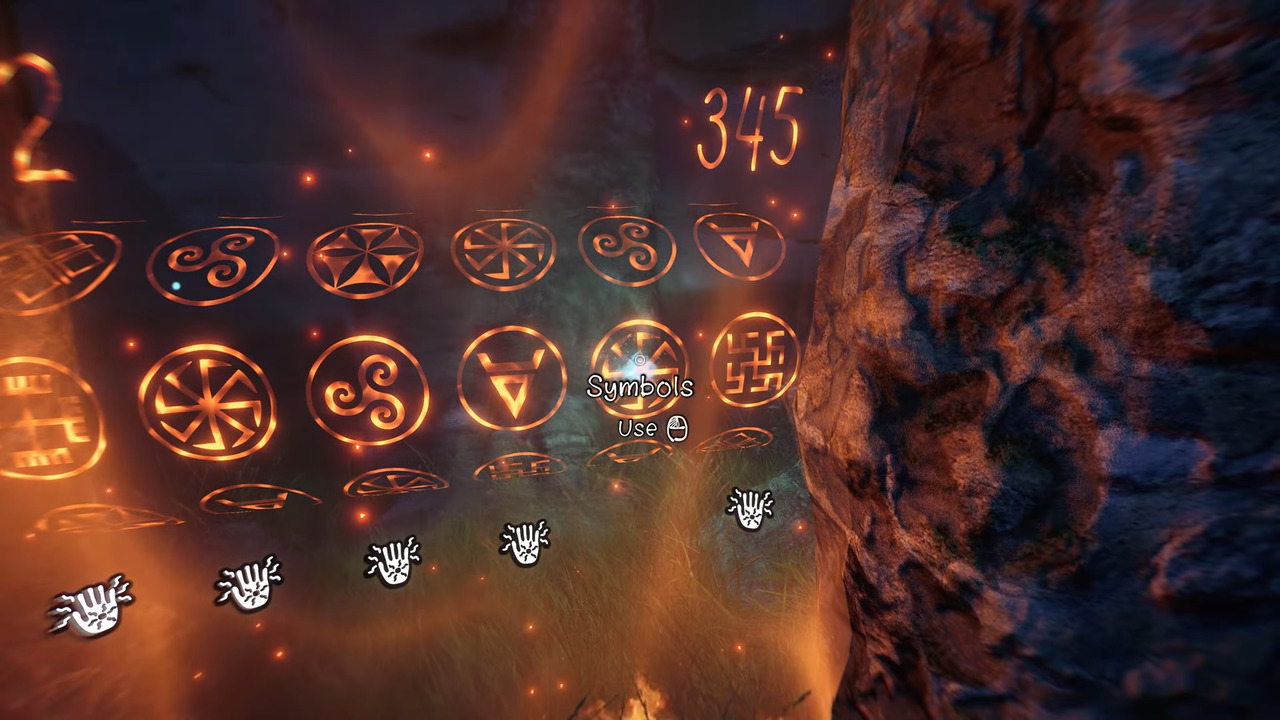
Your main goal is straightforward: taking control of the Ashter, you must wander the valley, relighting all of the bonfires and hearths that are scattered around. Despite the Ashter having magical powers inherently connected to fire, he cannot simply relight fires. Instead, he’ll need to complete side quests involving the different valley inhabitants. Smoke trails from each bonfire will lead you to so-called “traces of time”, which show alternate timelines where things went wrong for inhabitants. It’s up to you to make things right, usually by tracking down specific items and solving basic puzzles. We’re trying to be as vague about this as possible, because of how narrative-driven The End of the Sun is. The individual stories aren’t exactly very deep, and explaining how these quests work would give away too much of the plot. Most of these are simple fetch quests or involve tracking down specific items, so don’t expect a whole lot of depth here. The object-based puzzles are the gameplay highlight, but they still feel like watered-down versions of something you’d see in a Poirot or Sherlock Holmes game.
While the individual side quests can perfectly stand on their own as simple stories, they are still interconnected. Upon completing one, the Ashter can meditate by the relighted bonfire and move to a different time period. Clearing side stories can open up new pathways and possibilities in other ones. For example, helping out the villagers in an early quest results in the construction of a bridge. Fast forward a couple of years, and you can suddenly cross that bridge, allowing you to reach a new part of the valley. You’re constantly hopping back and forth between timelines and revisiting inhabitants at different stages of their lives. This does add to the overall feeling of backtracking too though. The End of the Sun is a fairly short game, clocking in at around 6-8 hours, so it’s a shame that so much of it feels spent aimlessly wandering around, even if the environment is gorgeous. The game doesn’t have a whole lot of replay value either, making the €25 price tag difficult to swallow, but if you can pick this up at a hefty discount, it’s very much worth it.

Conclusion
The gorgeous visuals of The End of the Sun blew us away from the get-go. While those same visuals kept up the wow effect throughout our time with the game, the same couldn’t be said about the gameplay. The excruciatingly slow pace of the game combined with the shallowness of its mechanics make The End of the Sun a title that you should only take on if you’re deliberately looking for a peaceful, tranquil way to unwind. It’s a matter of style over substance, and although The End of the Sun didn’t blow us away with neither gameplay nor narrative, we still appreciated just how stylish it was.

Related Items




1 Comment
Leave a Reply
You must be logged in to post a comment.
[…] your surroundings, and in this regard, it is surprisingly similar to the recently reviewed The End of the Sun. Spirit of the North 2 then combines that exploration with platforming and puzzle-solving. There is […]