


Developer: Nintendo EPD
Publisher: Nintendo
Platform: Switch (2)
Tested on: Switch 2
Tomodachi Life: Living the Dream – Review
Between Animal Crossing’s Switch 2 update, Pokémon Pokopia, and now Tomodachi Life: Living the Dream, Nintendo is certainly having a life sim moment. The latter title is perhaps the quirkiest and most outlandish of the three, though, and it certainly sits in a league of its own. That’s not to say that the Tomodachi Life formula is new: Western audiences were introduced to the series with a predecessor on the 3DS, way back in 2014. Twelve years down the line, do zany Mii antics still work?

Story
There isn’t a traditional, structured story in Tomodachi Life, but in fairness, that is the point of the game. Whatever happens on your island is entirely player-driven: you create Miis, place them on your island, and then watch as their lives unfold through spontaneous interactions, relationships, and events. Ever wonder if Batman’s Joker would become friends with Persona’s Joker? Or what would happen if Shigeru Miyamoto pursued a career as an interior designer? All sorts of scenarios develop over time based on your Miis’ personalities and the input you provide, often resulting in comedic or outright surreal situations. Because you can influence dialogue, relationships, and the island itself, each playthrough becomes a unique, evolving narrative shaped by your choices and imagination rather than a fixed plot.
Graphics
Visually, Tomodachi Life sticks to a bright, simple, and deliberately quirky aesthetic built around the Mii style we’ve come to know and love since the Wii era, albeit with noticeable upgrades. The jump to HD visuals gives characters sharper detail while still preserving their cartoonish charm. The island itself is colorful and lively, helping it feel like a playful, surreal dollhouse world. It goes without saying that customization also plays a big role in the visuals. The game has a robust creator for faces, and you can decorate buildings, items, and interiors, so the look of your island really depends on your own creativity. On the performance side, Tomodachi Life is generally solid but not flawless. The game runs at 30fps even on Switch 2. During more chaotic scenes, like certain dream sequences, frame drops do occur. Playing the game on Switch 2 does have the benefit of a resolution boost, so there’s that at least.

Sound
Perhaps the most notable element of Tomodachi Life’s audio is how Mii voices work. Instead of traditional voice acting, Miis use text-to-speech voices that read out whatever you type for them, with adjustable pitch and tone. While the voices initially feel artificial, being able to customise them somewhat allows for a wide range of delivery styles, making them part of the game’s charm rather than a drawback. Elsewhere, the game’s soundtrack is playful and fitting for the game’s tone, with catchy, memorable tracks that suit the cozy, offbeat style. Finally, sound effects and ambient audio help sell the world as lively, supporting everything from everyday interactions to bizarre dream sequences.
Gameplay
While Tomodachi Life is a life sim by definition, it’s unlike any other game in the genre. Compared to something like Animal Crossing, the biggest difference here is control. Animal Crossing is much more hands-on: you directly control your Villager, manage resources, and carefully design your environment. Tomodachi Life, by contrast, is intentionally hands-off: you act more like an observer while your Miis live autonomously. This translates to a gameplay loop revolving around short, repeatable sessions: checking in on your island, responding to Miis’ requests, raising their happiness, and unlocking new content like buildings, items, and customization options. You can also engage in simple minigames, design characters and objects in detail, and expand or decorate your island as it grows.
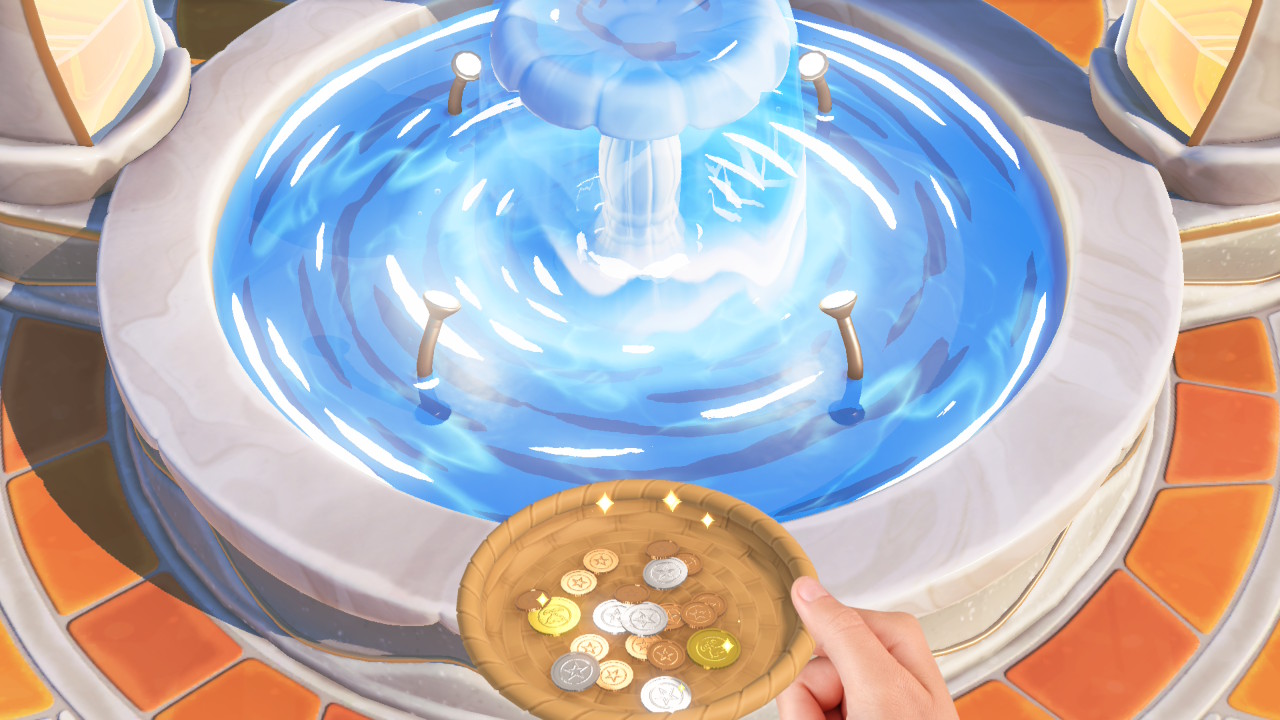
A big part of the experience comes from experimentation and creativity: designing Miis, shaping their personalities, and seeing how they interact, balanced with a hands-off, simulation-style structure where the most entertaining moments often come from things you didn’t fully plan. Even then, the core loop can become repetitive over time, with similar interactions and activities recurring. As such, Tomodachi Life is the kind of game that is best suited to short bursts rather than long continuous play sessions. We found that checking in every day for 20 minutes before returning to whatever other game we were playing was the way to go. Of course, if you need to do your dailies in Pokopia and Animal Crossing too, you’ll end up spending well over an hour per day across all three life sims. By design, Tomodachi Life is also the kind of game that you can play indefinitely. It doesn’t have a traditional ending in the usual sense, with your island and its residents evolving over time. Instead, this is more of an ongoing simulation you check in on than a game you complete.
The one area where Tomodachi Life severely drops the ball is in how isolated it feels. This is the kind of game that feels like a social experience by definition, but somehow Nintendo decided to severely limit sharing options. We would’ve loved in-game ways to share your Mii creations with the rest of the world, for example, or ways to visit and maybe even interact with other players’ islands. This is likely to prevent people from sharing inappropriate content, but given that Animal Crossing and even Pokopia let you visit other players’ islands, this still feels arbitrary. On the other hand, Nintendo notably opted for strong inclusivity options, such as flexible relationships, pronouns, and a lack of gender restrictions. These are the direct result of player backlash on the 3DS game, with Nintendo making good on a promise they made way back in 2014. In all honesty, we never expected the quirky Mii life sim to get a sequel 12 years later, but it’s here now, and it’s pretty darn good too.
Conclusion
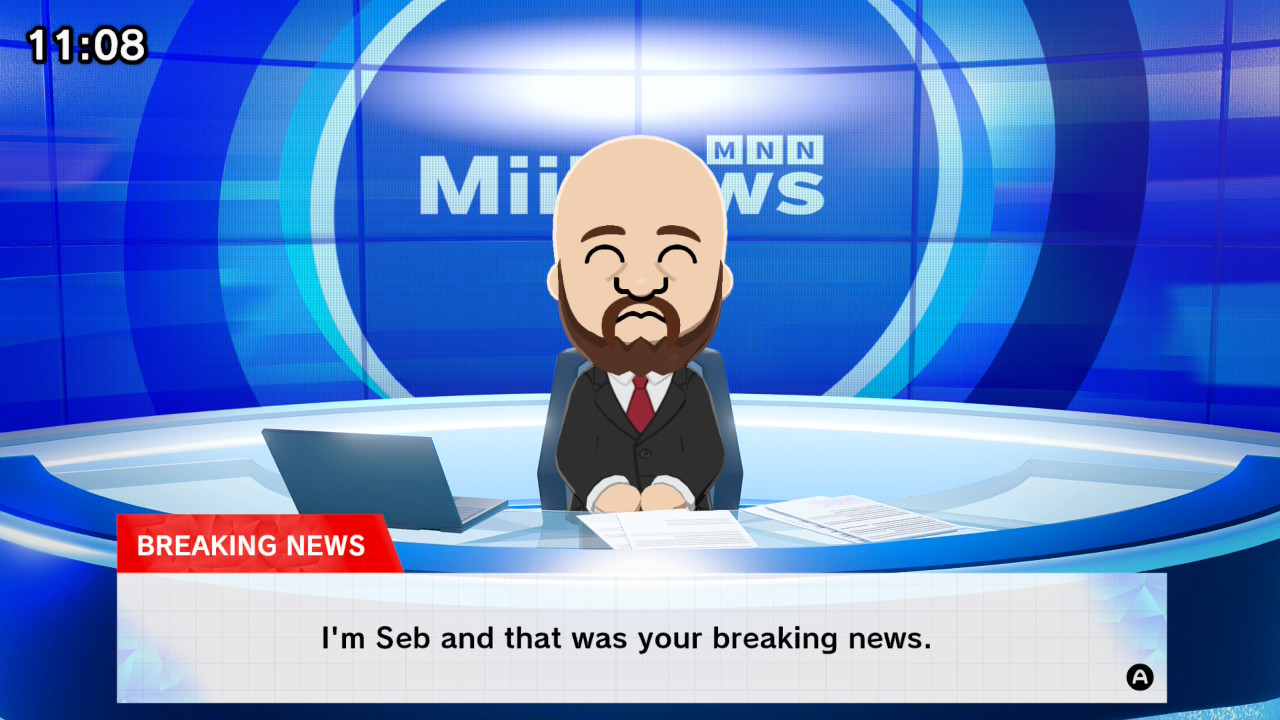
The thing with Tomodachi Life is that it’s very difficult to describe just how quirky the game feels while playing it, because on paper, it doesn’t really come across as all that special. Fortunately, there is a free demo available for those still on the fence. Perhaps an apt comparison is this: Tomodachi Life is the Playmobil to Pokopia’s LEGO. One emphasizes constructing things piece by piece, while the other is more about placing ready-made figures into scenarios. Tomodachi Life isn’t less creative, mind you. It’s creative in a different direction. Instead of building structures, you’re crafting personalities, relationships, dialogue, and absurd scenarios. That alone makes it a unique take on the life sim, and one well worth checking out.





No Comments